By using this website, you agree to our use of cookies (needed to provide our website’s features) and our Terms of Use.
By: Andrew Forrest - May 2026
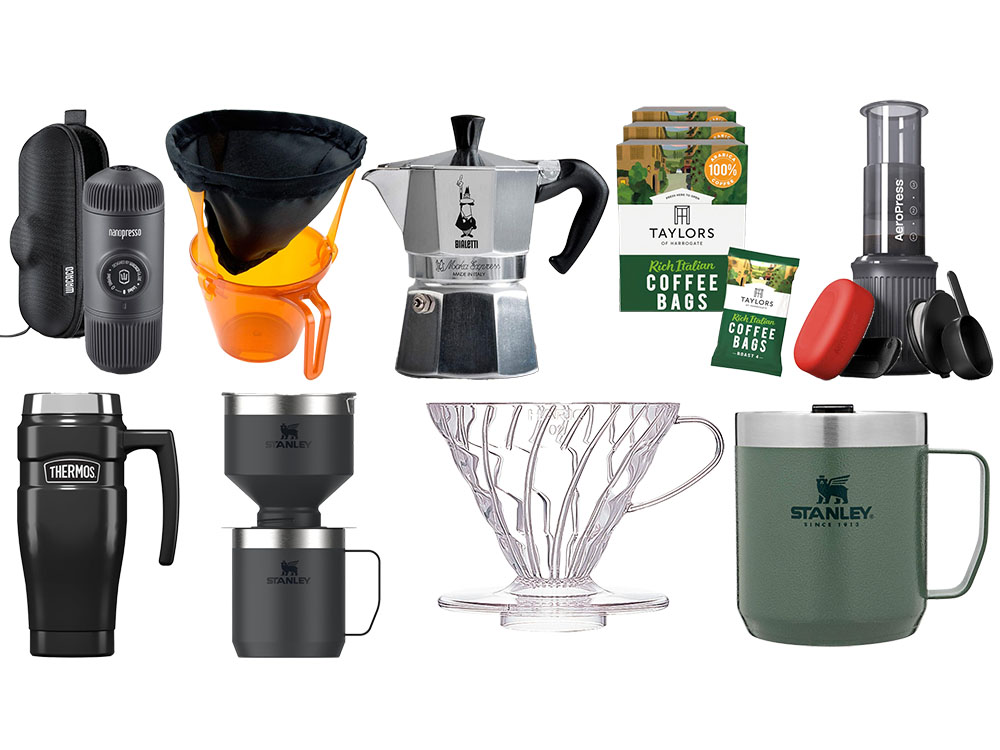
Find the best camping coffee makers for walkers and campers, including AeroPress-style brewers, moka pots, pour-over filters, coffee bags and insulated mugs.
This page contains affiliate links. As an Amazon Associate, we earn from qualifying Amazon purchases at no additional cost to you. We may also earn commissions from other retailers, again at no additional cost to you.
There is something deeply satisfying about making a proper cup of coffee outdoors. Whether you are waking up beside a tent, brewing before a long hill walk, or sitting outside a campervan on a cold morning, a good camping coffee setup can make the whole trip feel better.
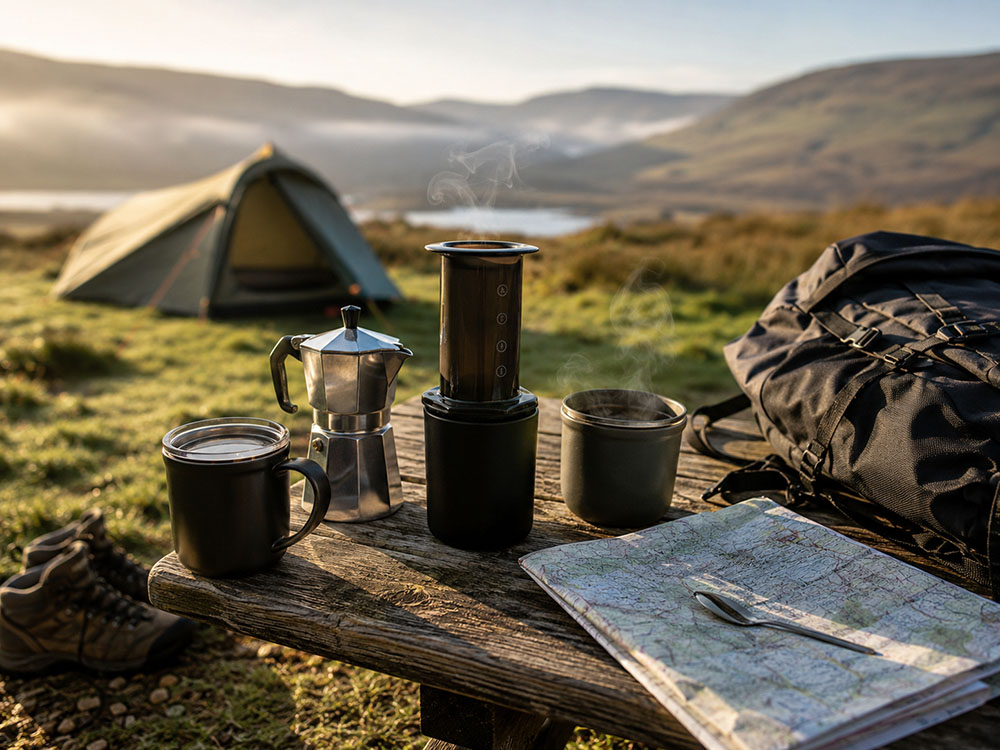
The challenge is finding something practical. A home coffee machine is no use in a tent. A fragile glass cafetière is not ideal in a rucksack. While instant coffee is convenient, many walkers and campers want something that tastes much closer to a proper brew.
For this guide, we focused on camping coffee makers and coffee-making options that are practical for UK walkers, campers, campervan users and car campers.
Walks4all takeaway
For most walkers and campers, the AeroPress Go is the best all-round camping coffee maker because it makes excellent coffee, packs down neatly
and is easy to clean. For very lightweight trips, the GSI Outdoors Ultralight Java Drip or Taylor's Coffee Bags are better options. For
campsites and campervans, the Bialetti Moka Express and Stanley Perfect-Brew Pour Over are better if you value a more relaxed campsite brew.
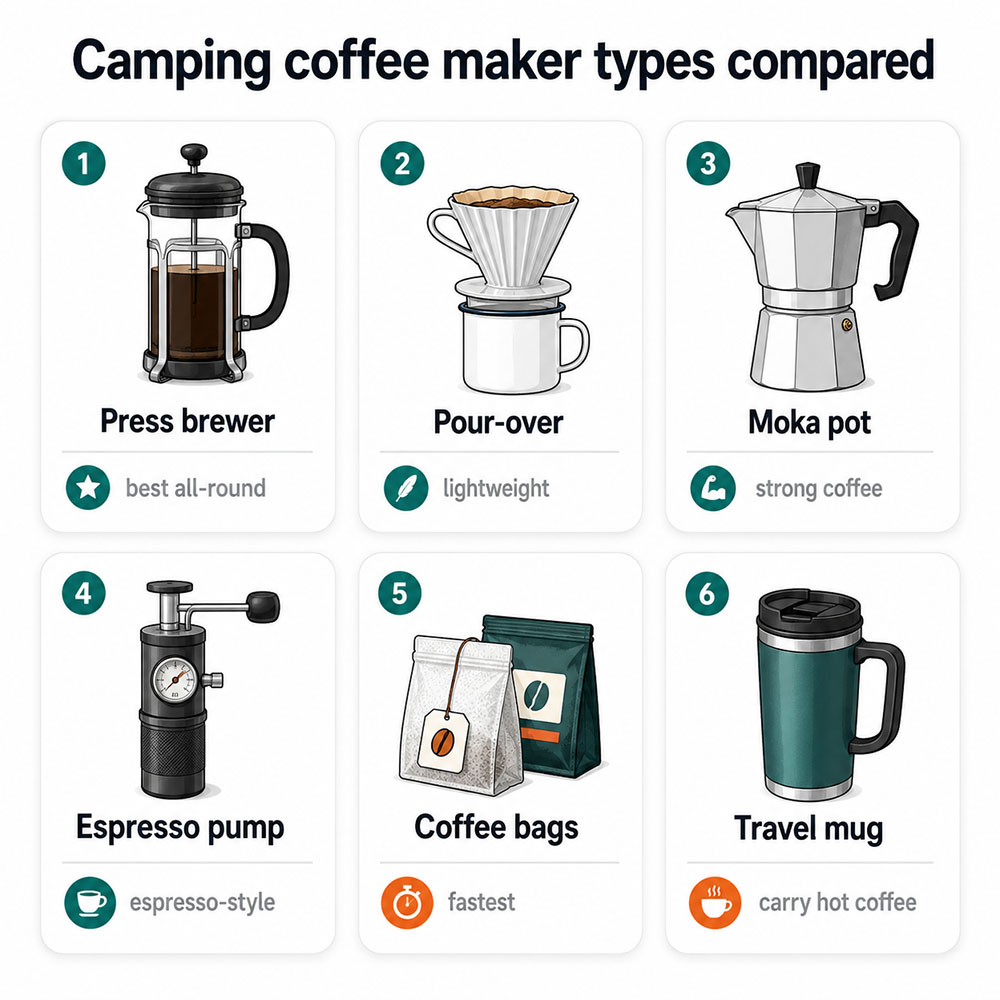
| Category | Best pick | What it is |
| Best overall | AeroPress Go | Compact pressure coffee brewer |
| Best ultralight option | GSI Outdoors Ultralight Java Drip | Clip-on mesh coffee filter |
| Best budget pour-over | Hario V60 Plastic Coffee Dripper | Lightweight cone pour-over dripper |
| Best camping espresso maker | WACACO Nanopresso | Hand-pumped portable espresso maker |
| Best stovetop coffee maker | Bialetti Moka Express | Classic stovetop moka pot |
| Best rugged pour-over | Stanley Classic Perfect-Brew Pour Over | Durable reusable metal pour-over |
| Best coffee bags | Taylors of Harrogate Rich Italian Coffee Bags | Single-serve ground coffee bags |
| Best insulated camp mug | Stanley Legendary Camp Mug | Durable insulated campsite mug |
| Best travel mug | Thermos Stainless King Travel Mug | Leak-resistant insulated coffee mug |
 |
 |
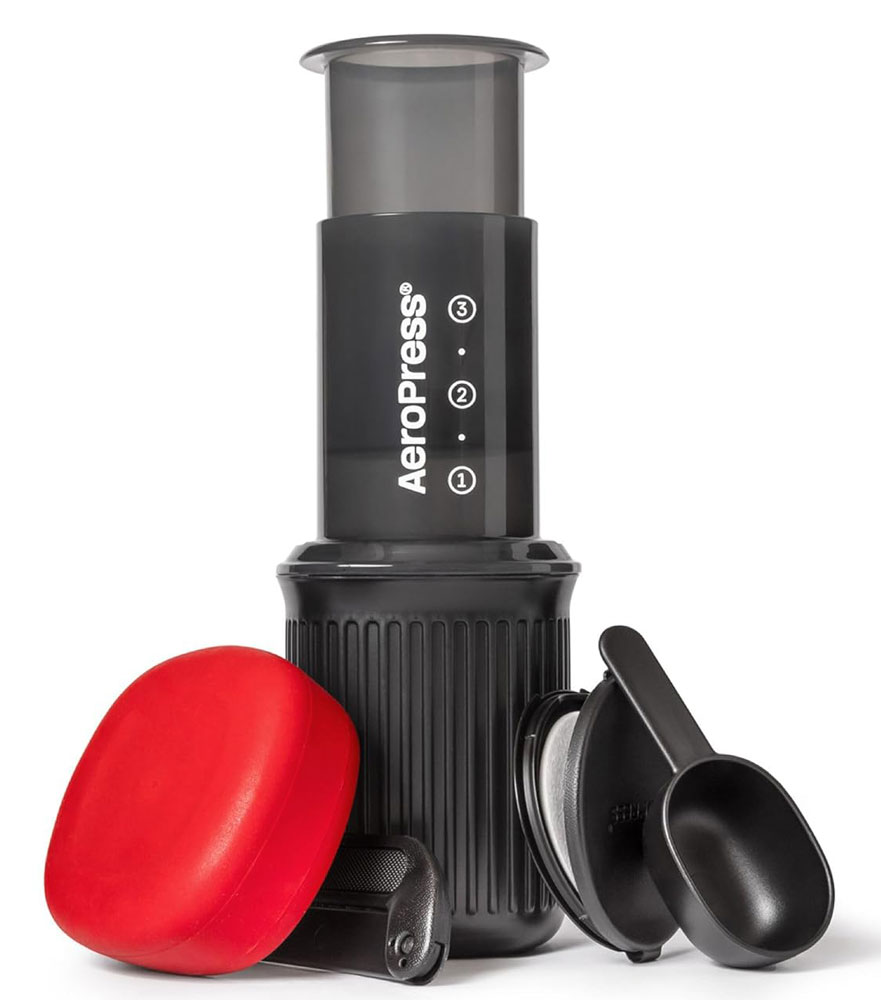
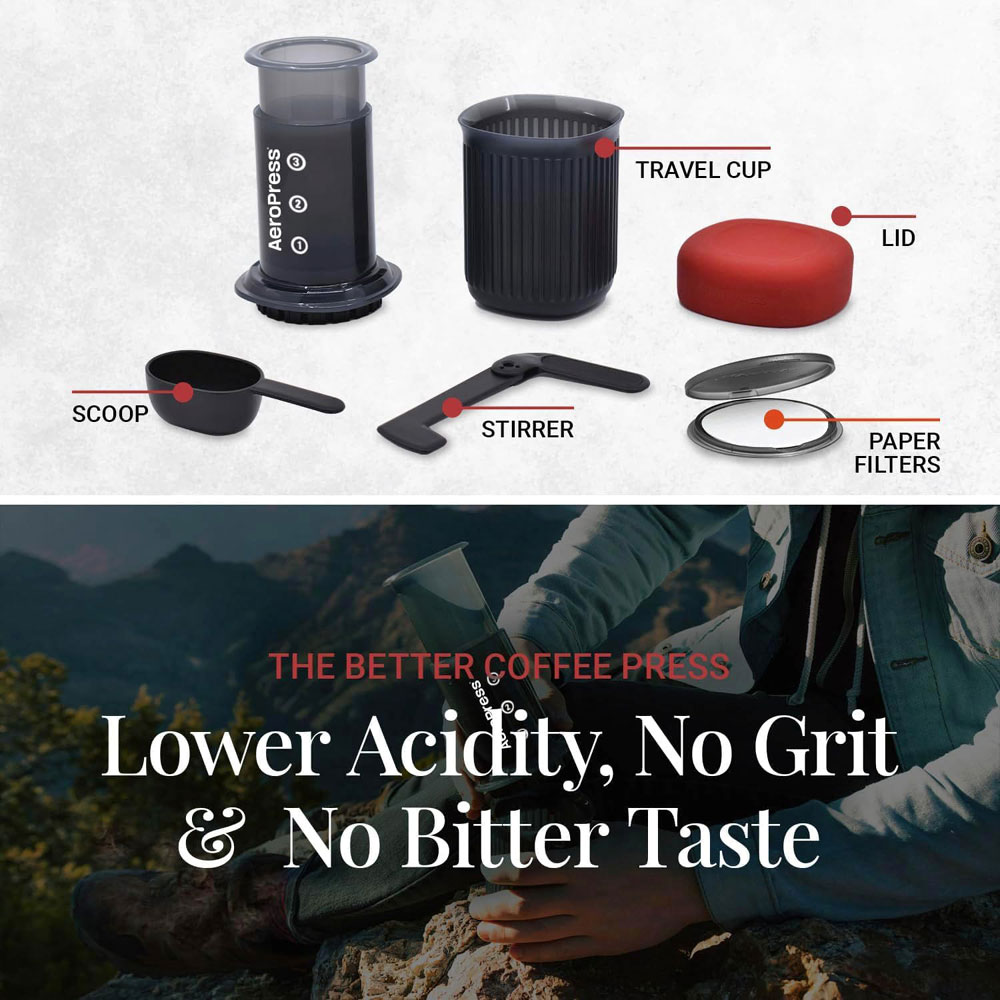
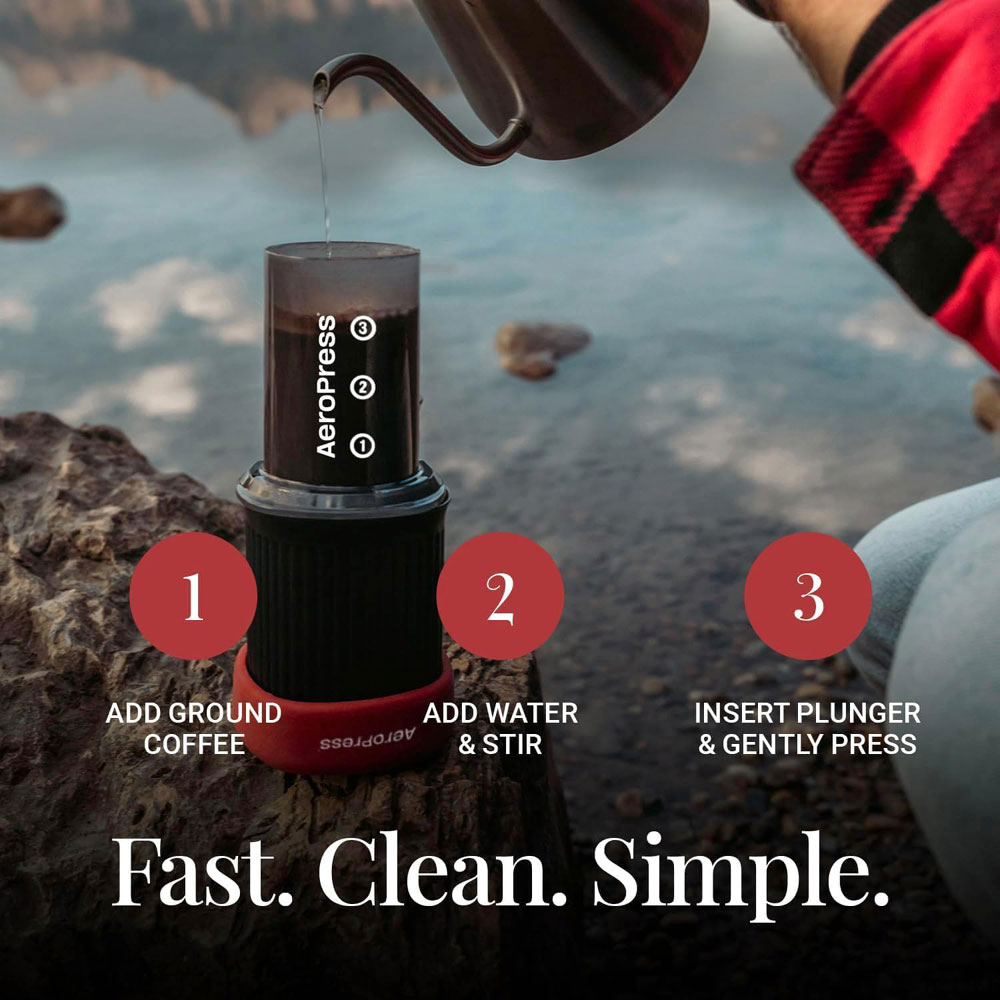
The AeroPress Go, for me, is compact, robust, quick to use, and produces coffee that tastes much closer to a proper home brew than to a compromise camping drink.
The reason it works so well outdoors is that it avoids many of the usual frustrations of camping coffee. It is robust, does not need electricity, does not leave you with a gritty cafetière-style cup, and is much easier to clean than most plunge-style brewers.
The coffee puck ejects neatly after brewing, so you don't have to rinse loose grounds out of awkward corners at a campsite sink. That alone makes it much more practical for wet, cold mornings when you want coffee but do not want a faff.
Best for
Walkers, campers, backpackers, cycle tourers and anyone who wants proper coffee without carrying a bulky setup.
Key features:
Pros:
Cons:
Walks4all verdict
The AeroPress Go is the best all-round camping coffee maker for most walkers and campers. It offers the best balance of coffee quality, packability, durability and ease of cleaning.
|
|
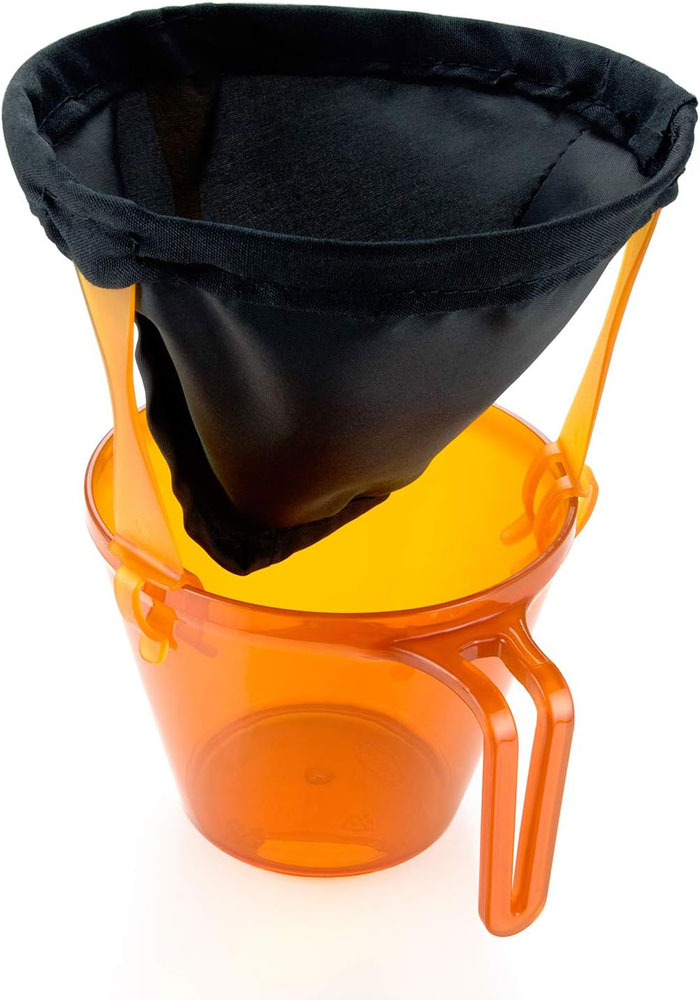
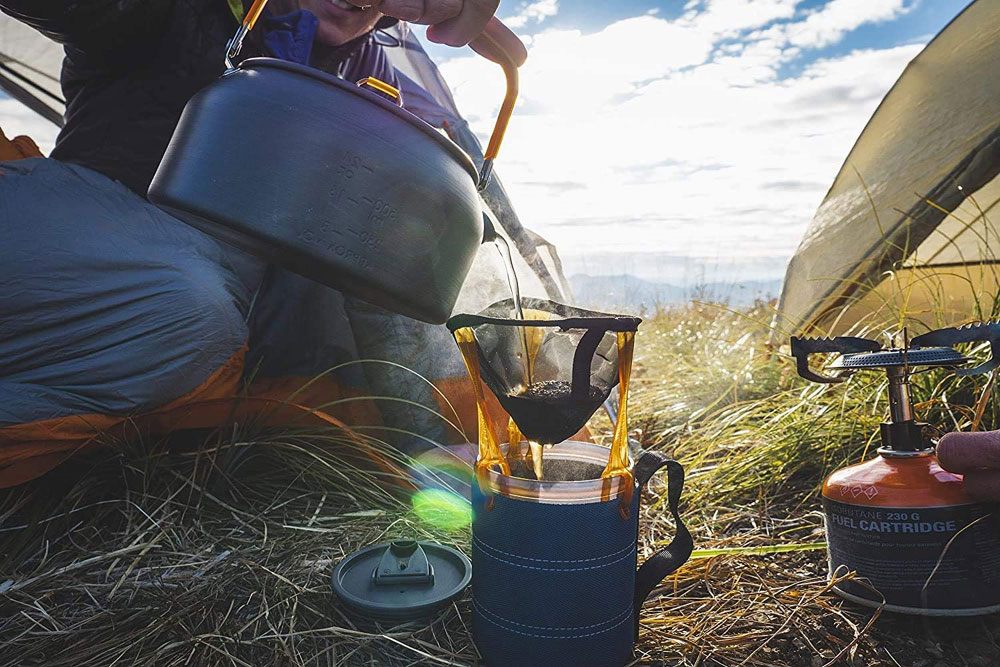
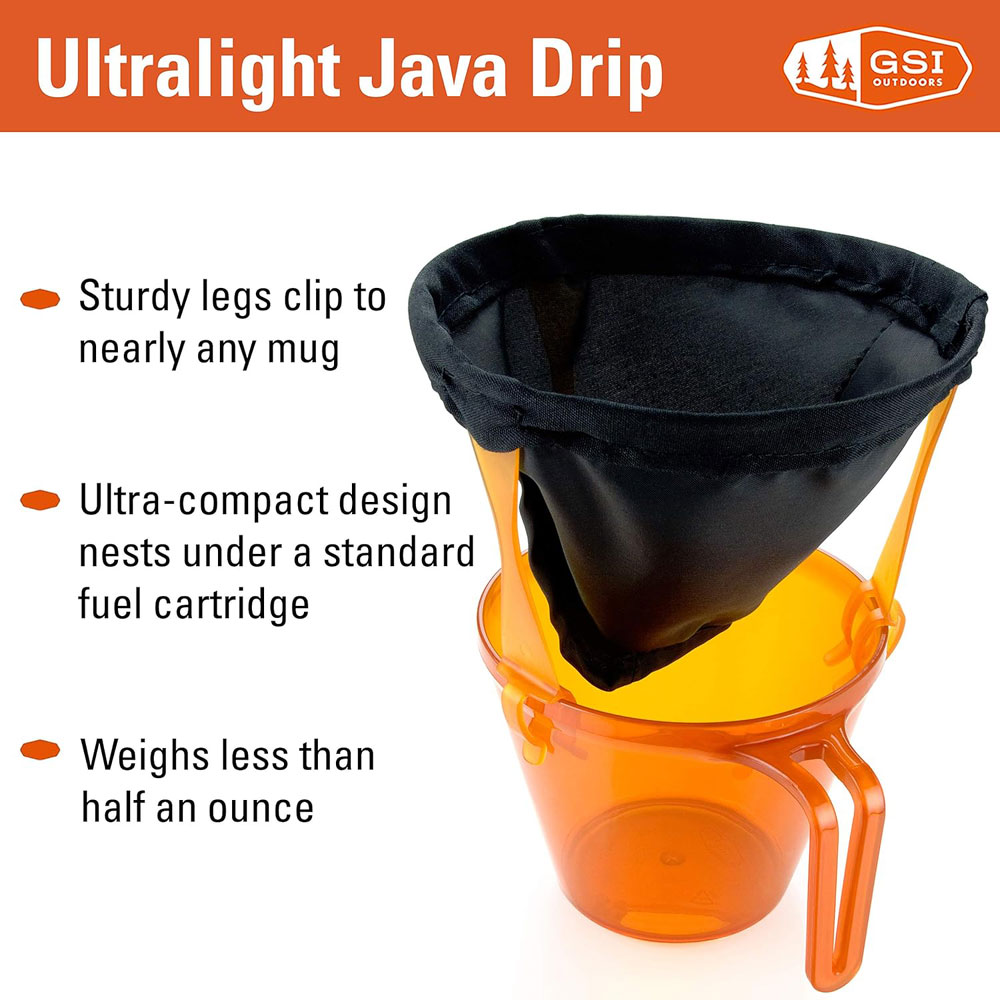
The GSI Outdoors Ultralight Java Drip is the best option here if weight and pack size are more important to you than anything else.
It is a simple mesh filter that clips over your mug. Add ground coffee, pour hot water through it, and you have a lightweight trail coffee without carrying a heavy brewer.
This is not the most luxurious way to make coffee, but it is exactly the sort of product that makes sense for backpacking. There is very little to break, very little to pack, and no paper filters to carry.
Best for
Backpackers, wild campers and walkers who want proper ground coffee with the minimum possible weight.
Key features:
Pros:
Cons:
Walks4all verdict
For lightweight walking and wild camping, the GSI Java Drip is one of the most practical ways to make proper coffee without adding significant pack weight.
|
|
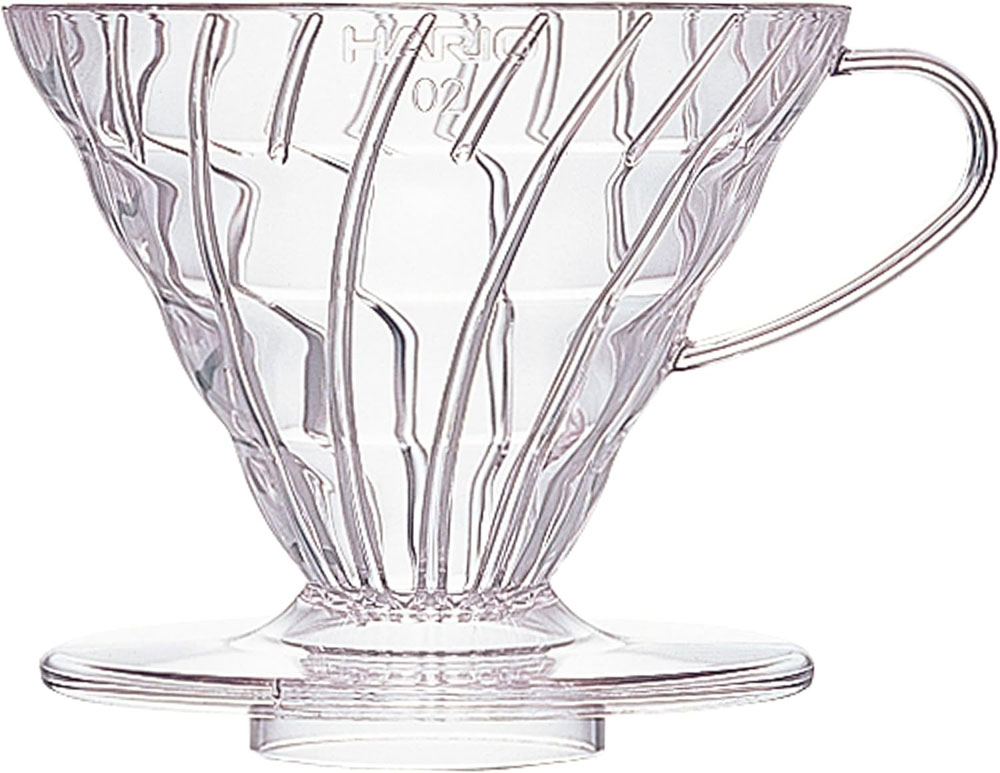
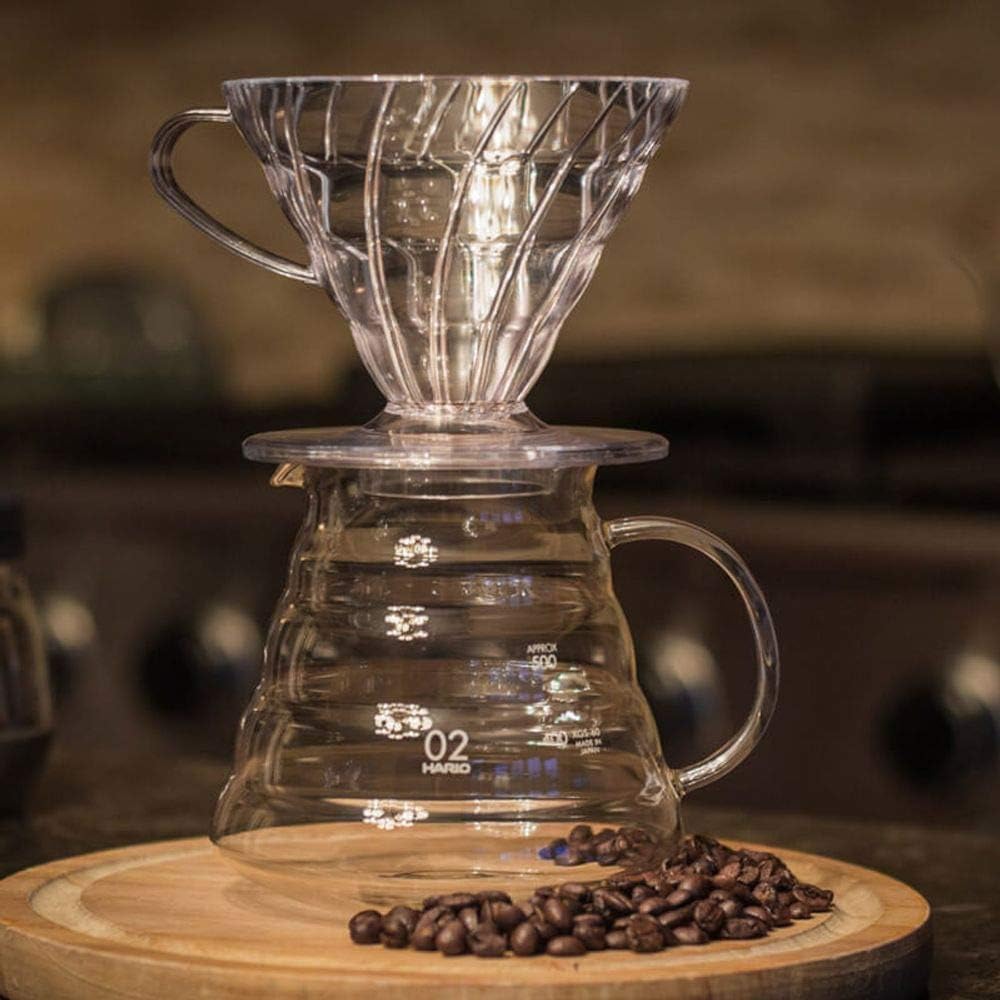
The Hario V60 is not a specialist camping product, but I found the plastic version works very well outdoors. It is lightweight, inexpensive, easy to replace, and produces clean filter-style coffee.
The big advantage over some dedicated camping brewers is simplicity. There are no pumps, seals, batteries or plungers. You put a paper filter in the cone, add ground coffee, and pour hot water through it.
The downside is that you need paper filters and some pouring control. It is better for a calm campsite morning than windy hilltop brew stops.
Best for
Campers who want a cheap, lightweight pour-over coffee maker that still makes very good coffee.
Key features:
Pros:
Cons:
Walks4all verdict
The plastic Hario V60 is a great budget option if you want proper pour-over coffee outdoors and do not mind carrying paper filters.
|
|
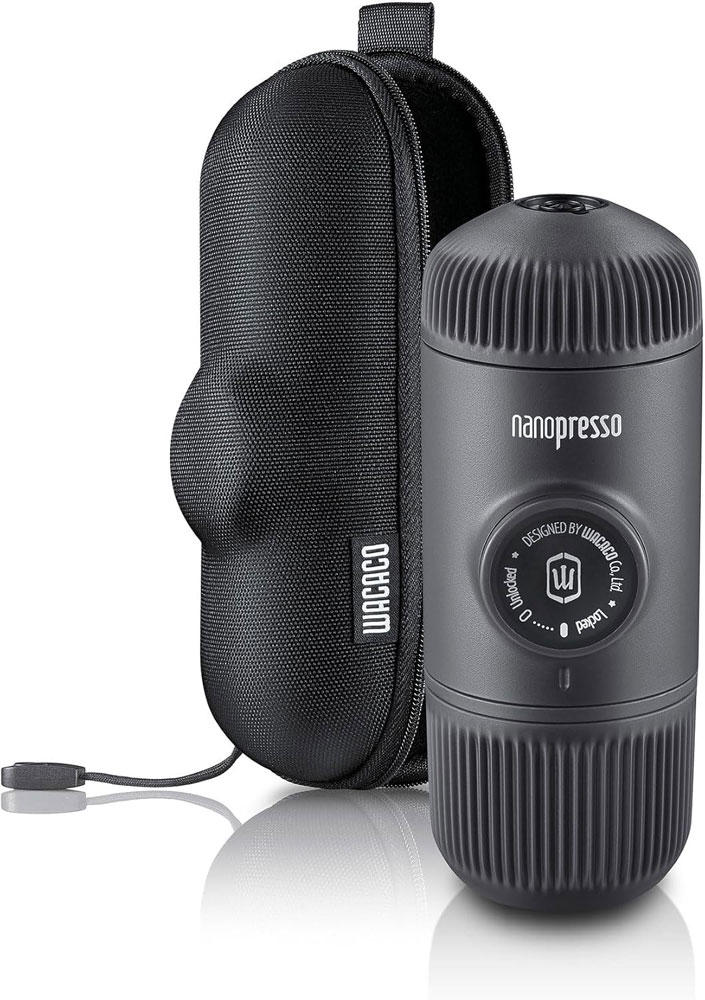
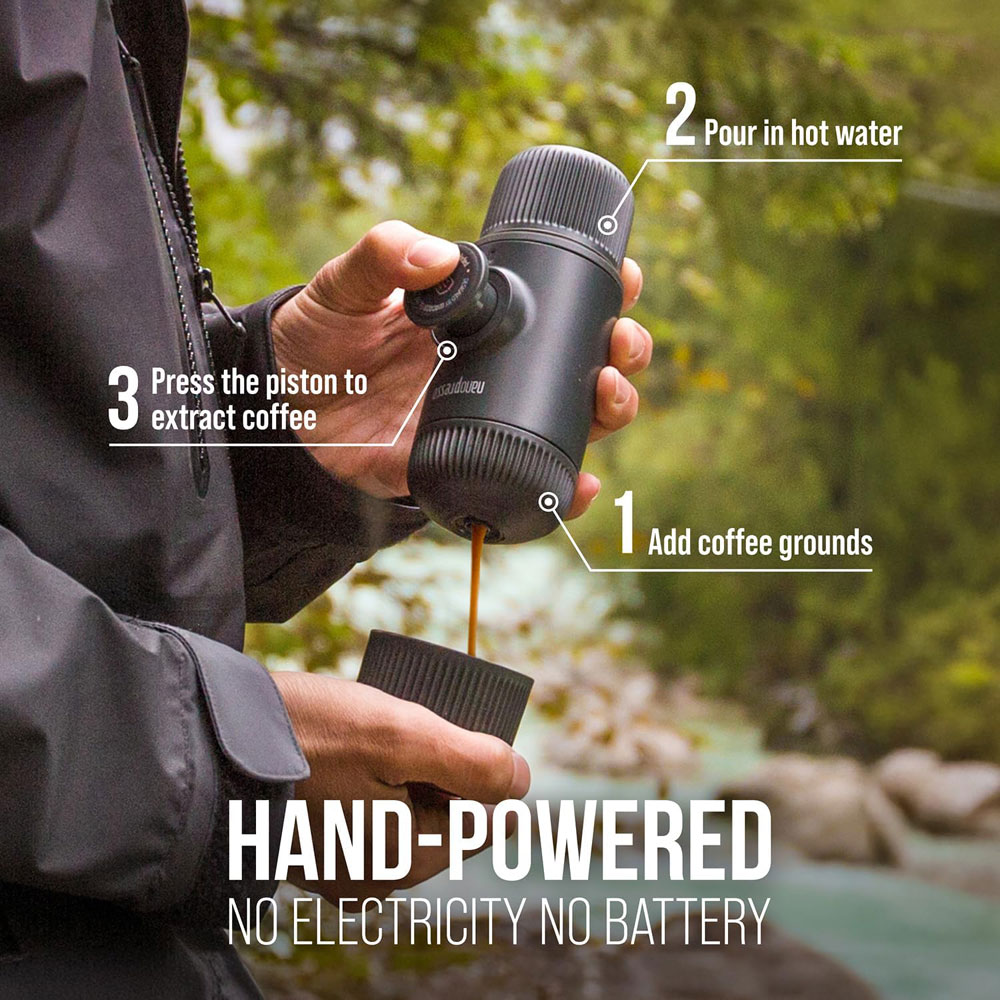
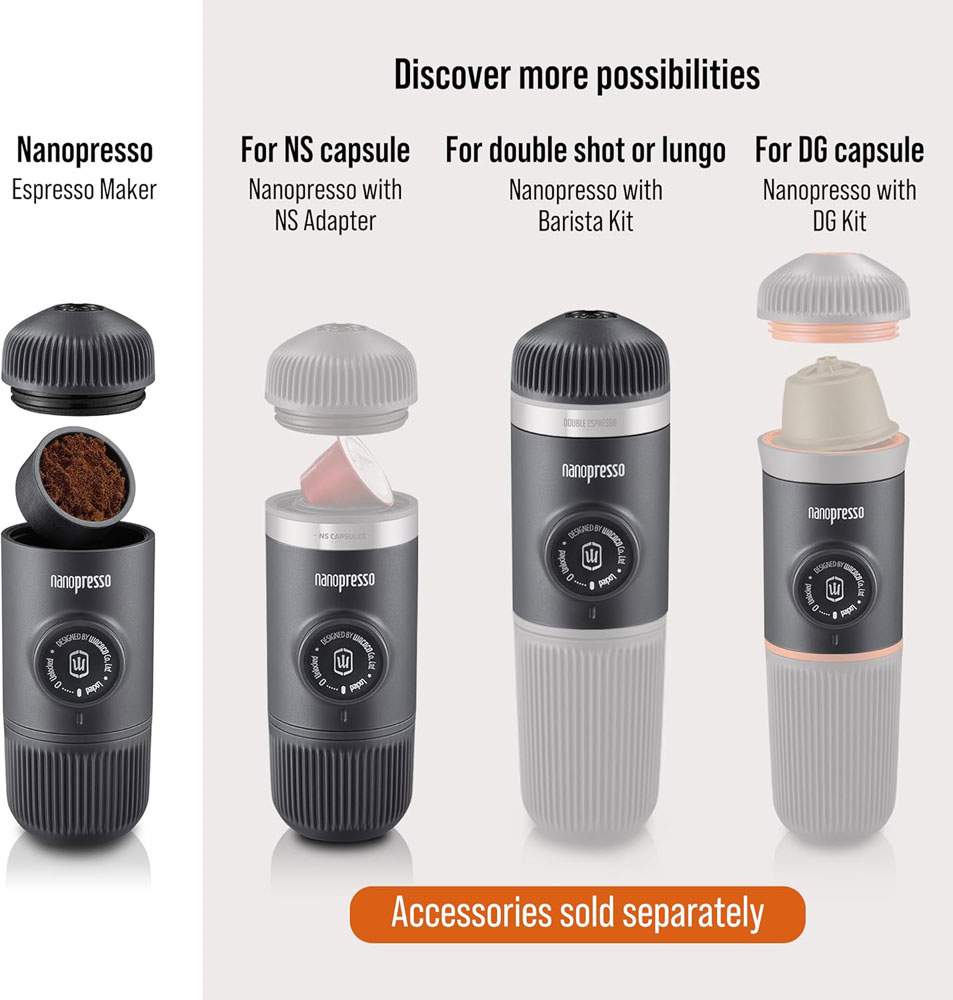
For me, the WACACO Nanopresso is the best choice if you want espresso-style coffee rather than filter coffee.
It is more involved than an AeroPress or a coffee bag, but that is the trade-off. You add finely ground coffee and hot water, then use the hand pump to build pressure. The result is a short, strong espresso-style coffee with more body than a simple pour-over.
This is not the coffee maker I would choose for a freezing, windy backpacking morning when speed is most important. It is better suited to campervans, car camping, campsites and coffee enthusiasts who enjoy the process.
Best for
Campers who care about espresso-style coffee and are happy to spend a little extra time brewing.
Key features:
Pros:
Cons:
Walks4all verdict
The Nanopresso is the best choice if espresso-style coffee is your priority. For most walkers, the AeroPress Go is easier to use; for espresso lovers, the Nanopresso is more rewarding.
|
|
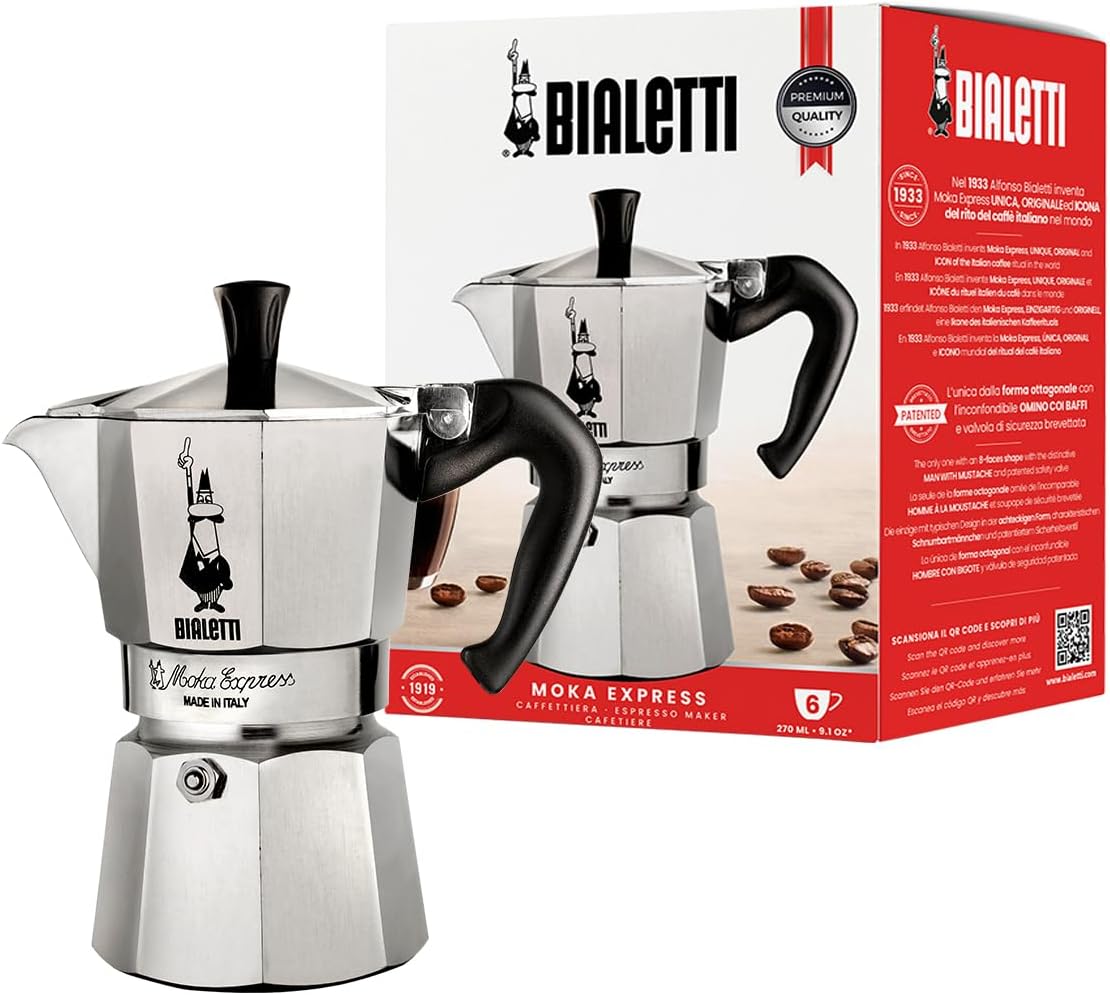
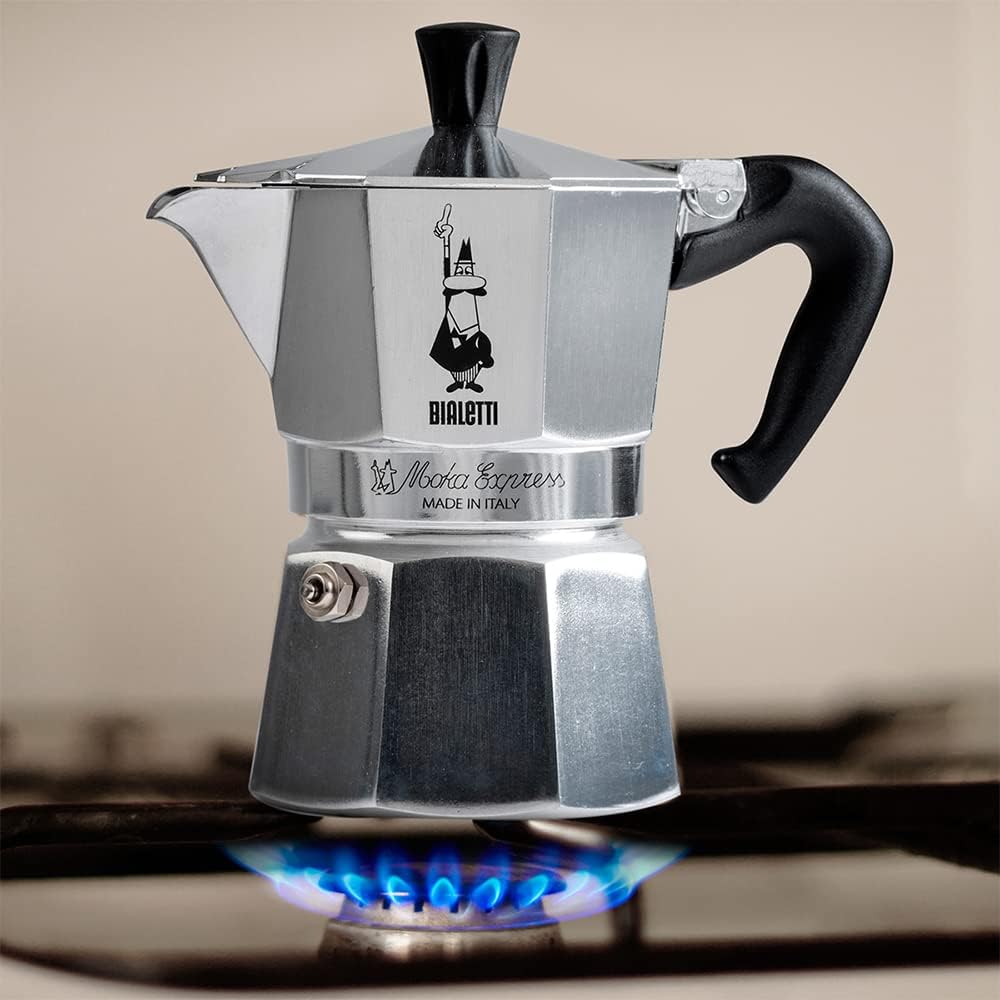
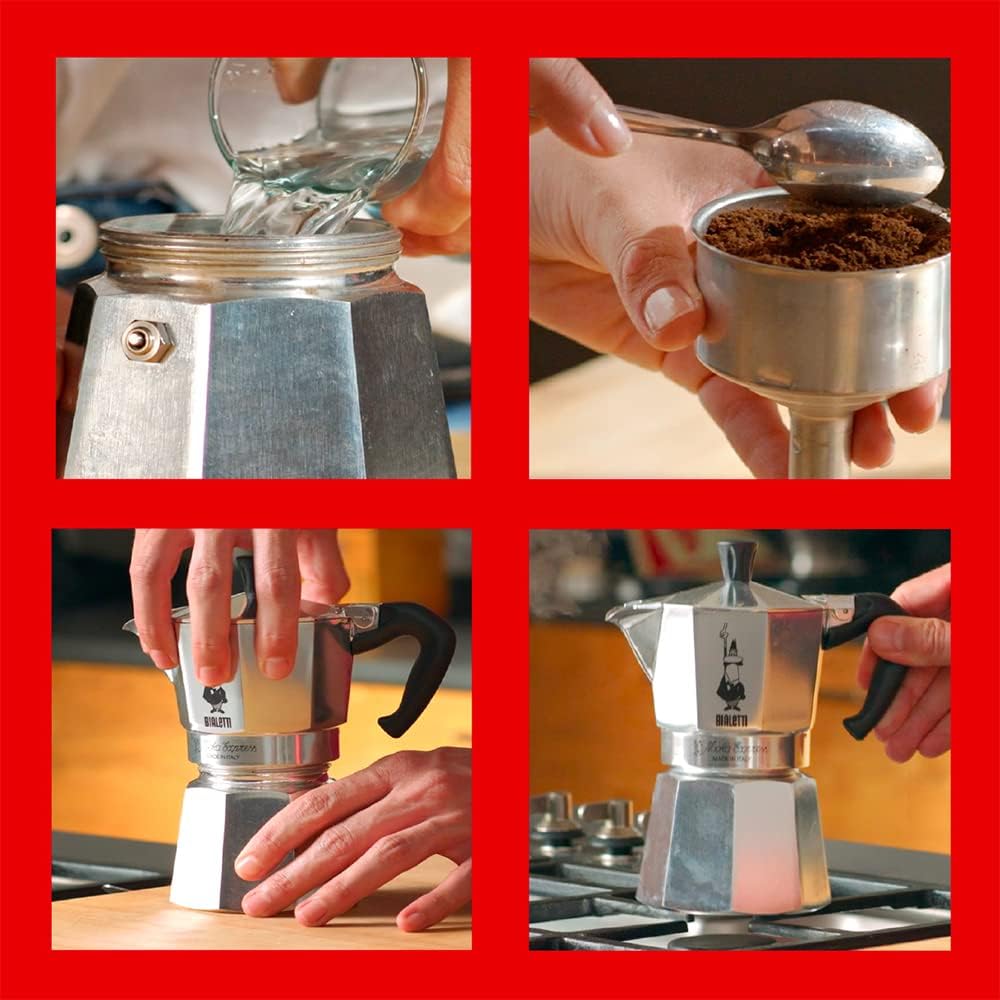
The Bialetti Moka Express is a classic camping coffee maker. It is simple and durable, producing strong Italian-style coffee on a camping stove or campervan hob.
It is not the lightest option, so it is better suited to campsite camping, campervans and car camping than to long-distance backpacking. But if you already cook on a gas stove and like strong coffee, it is a very dependable choice.
The coffee is not authentic espresso, but it is rich, strong and for me, far more satisfying than instant.
Best for
Campers, campervan users and car campers who like strong coffee and do not mind carrying a metal moka pot.
Key features:
Pros:
Cons:
Walks4all verdict
The Bialetti Moka Express is the best traditional coffee maker for use at campsites and in campervans. It is not ultralight, but it is reliable, proven and enjoyable to use.
|
|
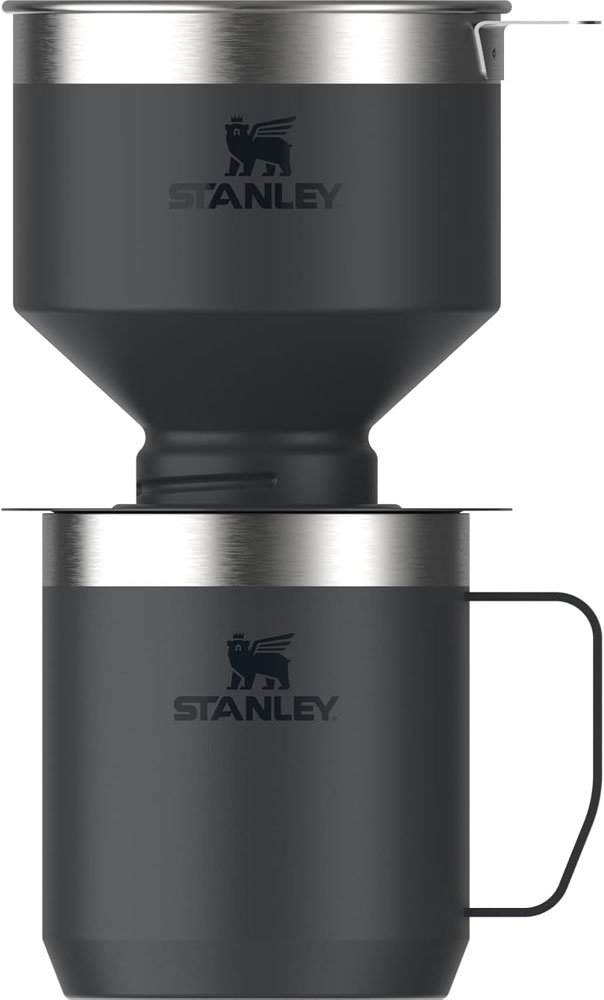
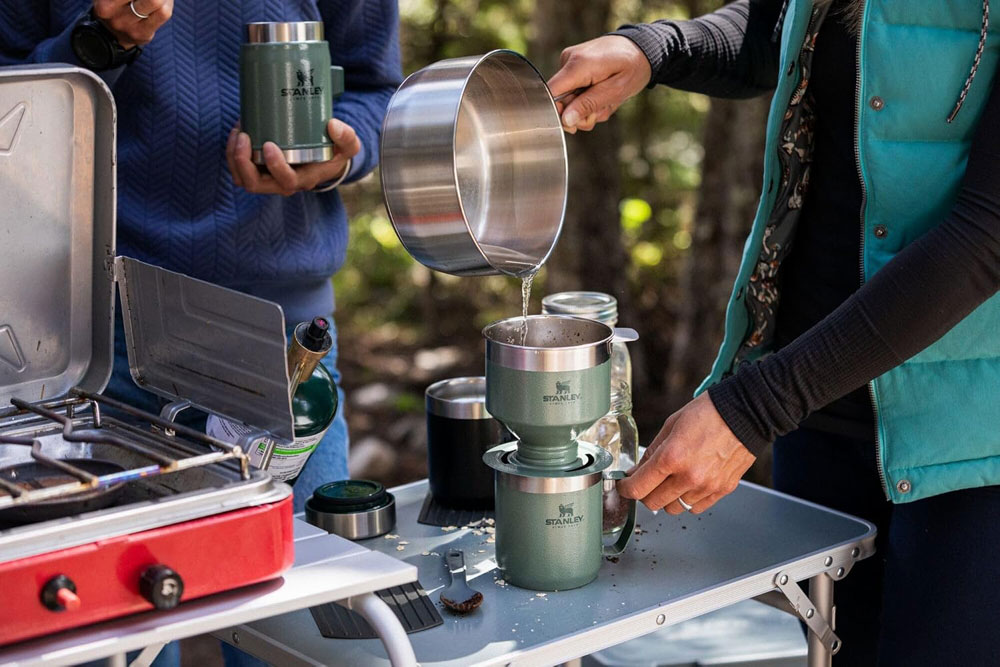
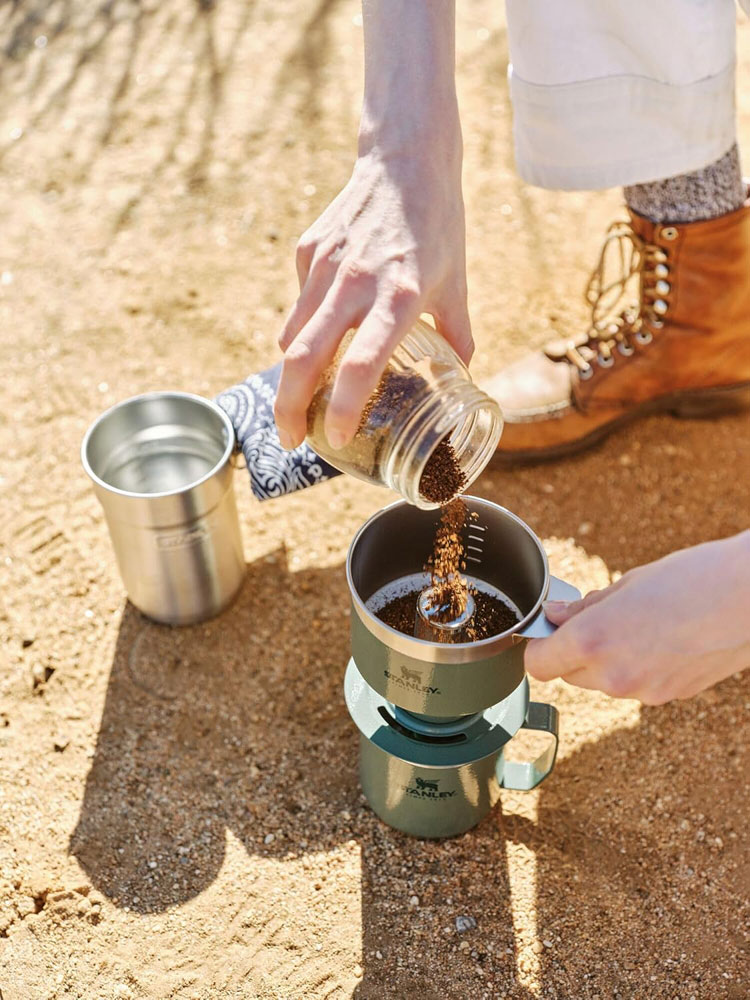
The Stanley Classic Perfect-Brew Pour Over is a good option if you want something more robust than a plastic dripper and more substantial than an ultralight mesh filter.
It uses a reusable stainless-steel filter, so you do not need to carry paper filters. This makes it useful for campsites, campervans and car camping.
It is too bulky for serious backpacking, but around camp it feels stable, durable and easy to live with.
Best for
Campsites, car campers, campervans and anyone who wants a reusable pour-over filter.
Key features:
Pros:
Cons:
Walks4all verdict
The Stanley Perfect-Brew Pour Over is a strong campsite choice if you want a reusable, durable coffee maker rather than an ultralight backpacking filter.
|
|
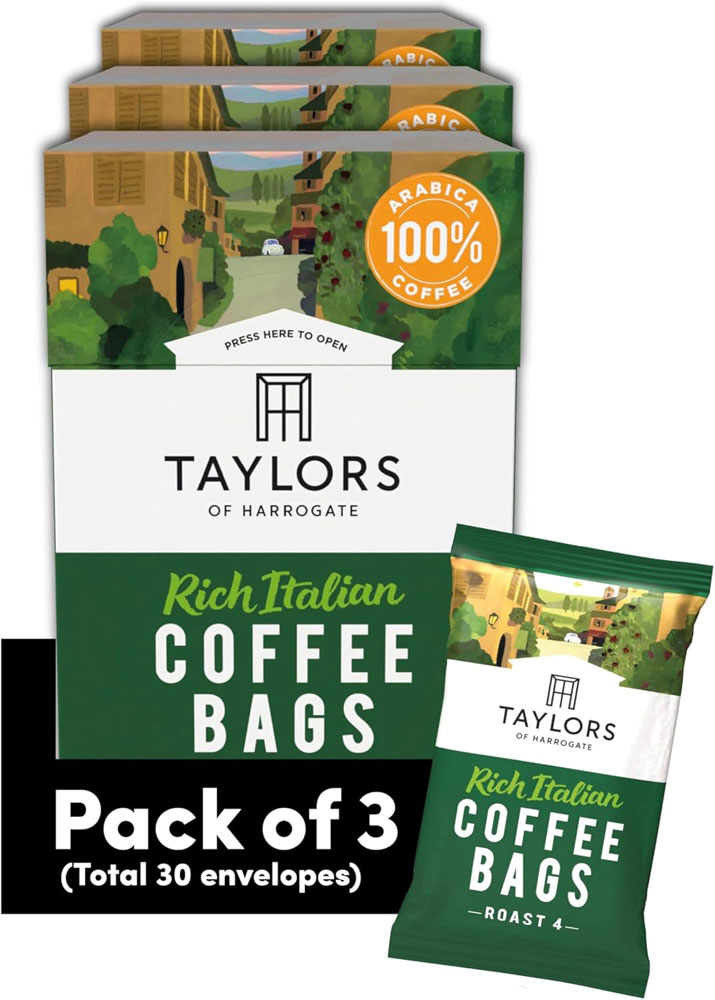
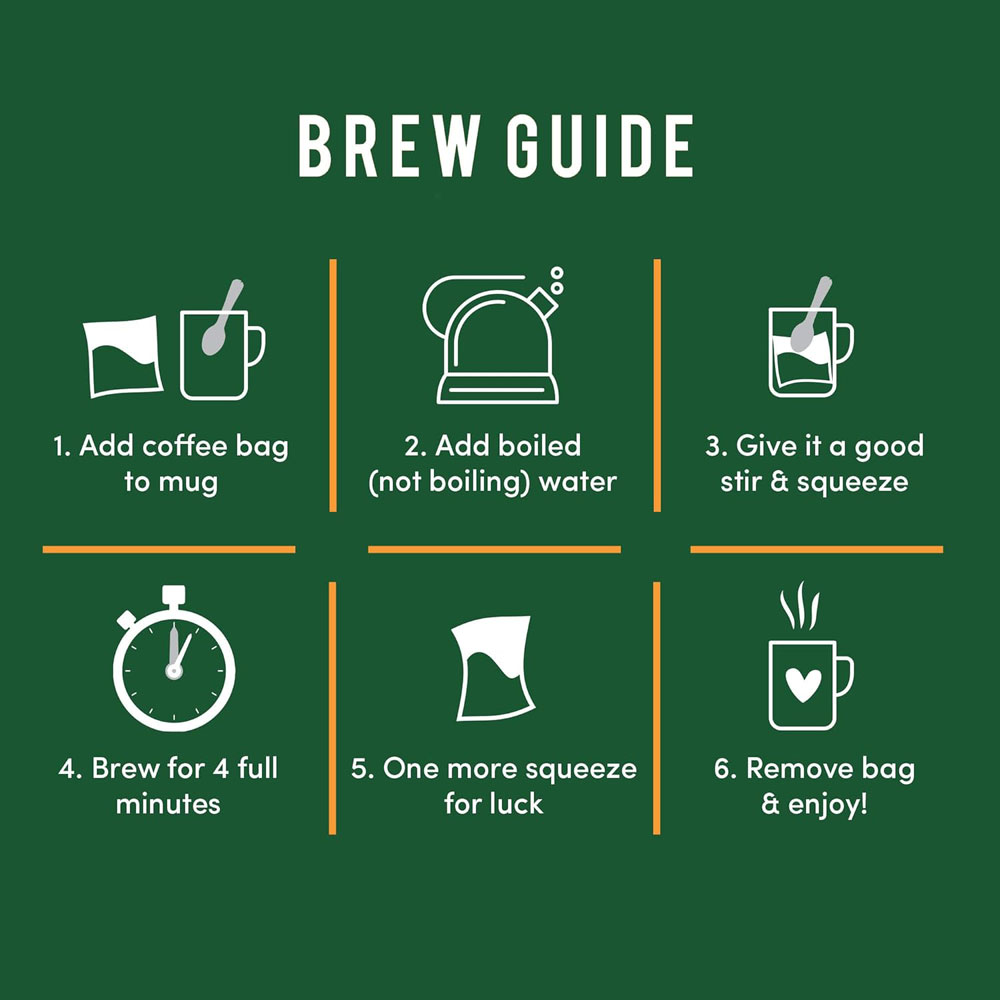
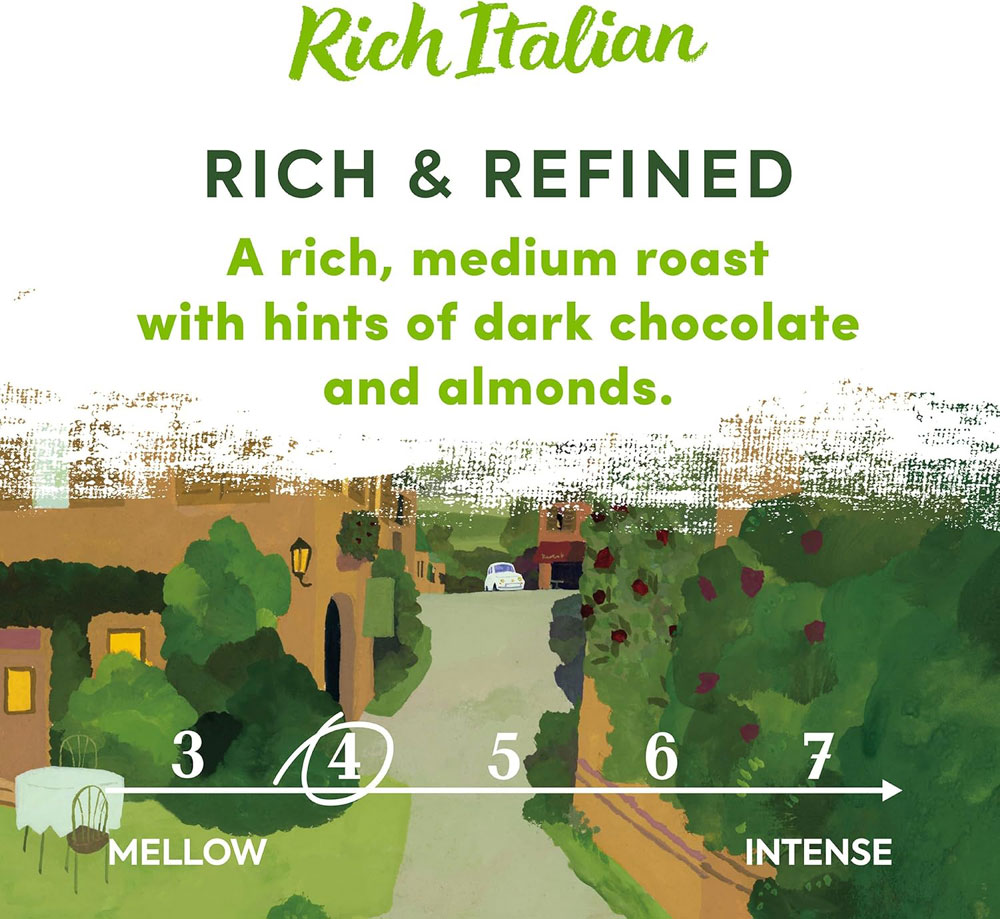
Coffee bags are one of the simplest ways to make better-than-instant coffee outdoors.
They work like tea bags. Put one in a mug, add hot water, let it brew, then gently squeeze and remove it. There is no brewer to clean, no loose grounds to rinse away and no filters to pack separately.
They will not beat freshly brewed coffee from an AeroPress, a moka pot or a pour-over, but I find they are extremely useful for early starts and lightweight trips.
Best for
Fast mornings, lightweight overnighters, festivals, backup coffee, and walkers who do not want to clean equipment.
Key features:
Pros:
Cons:
Walks4all verdict
Coffee bags are not the most sophisticated option for camping coffee, but they are among the most practical. They are my go-to choice if I want a coffee on the overnight camp at mountain marathons, and often just keep a couple in my backpack.
|
|
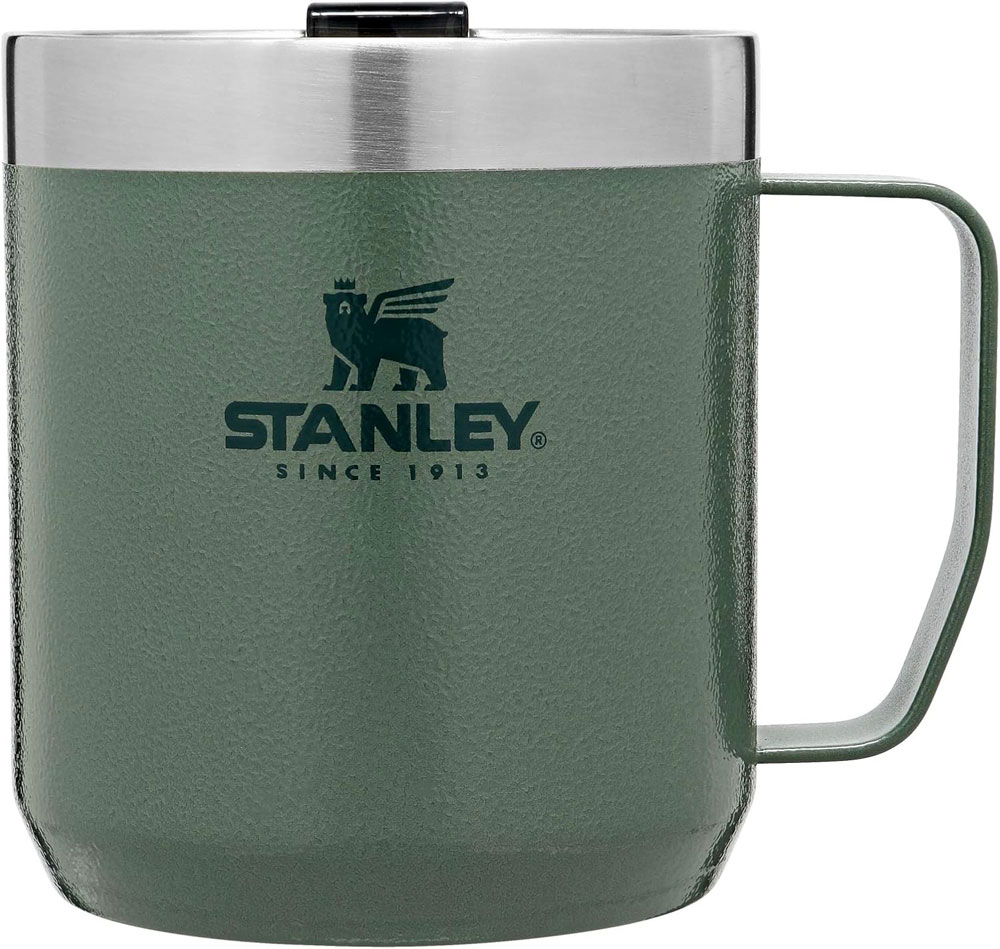
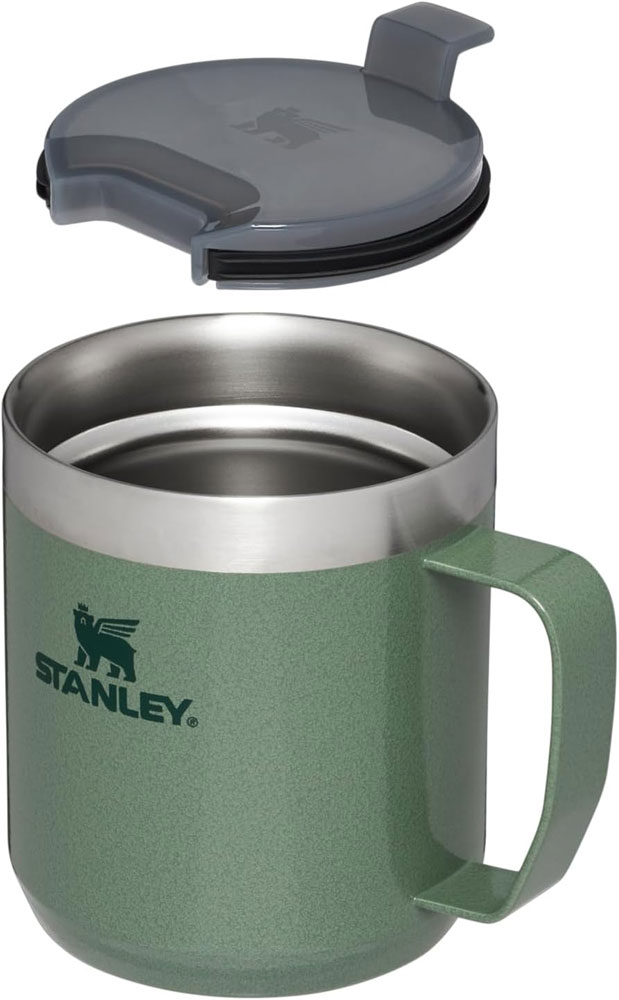
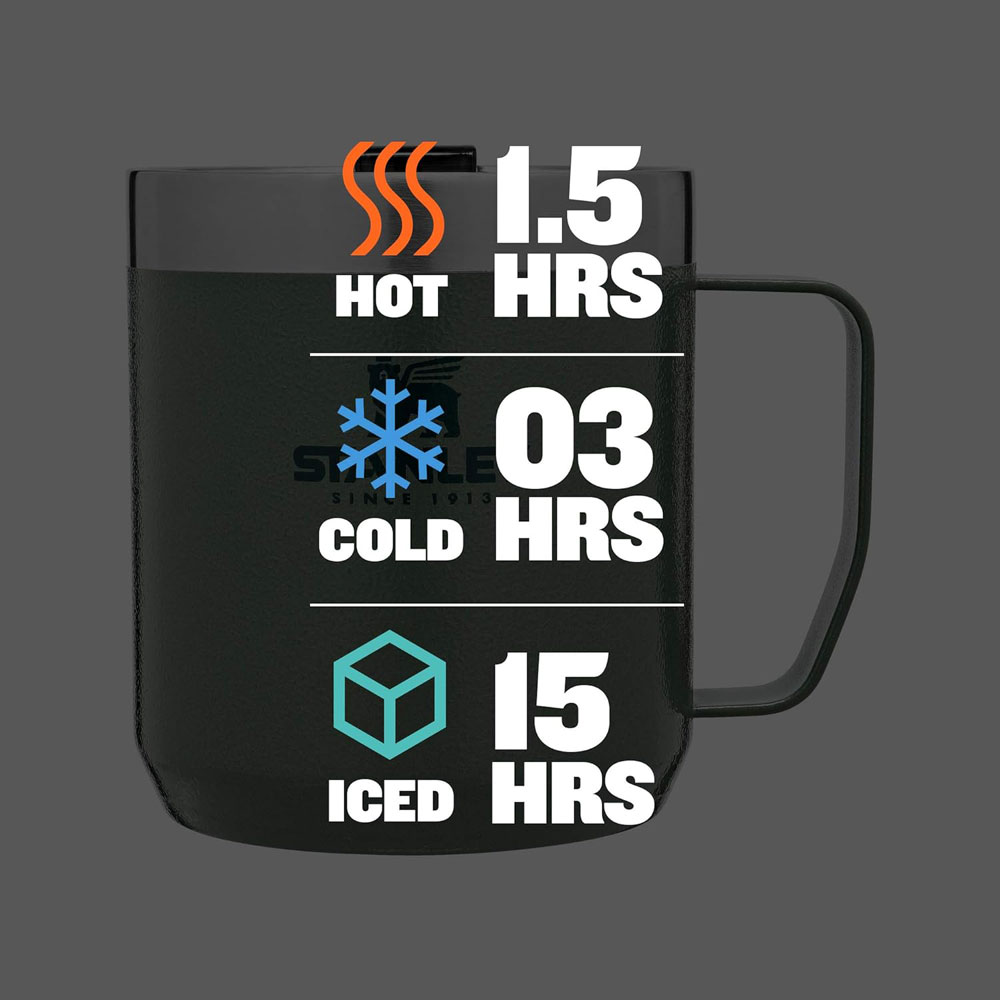
A good mug matters more than people realise. In UK camping conditions, coffee can cool quickly, especially on windy mornings.
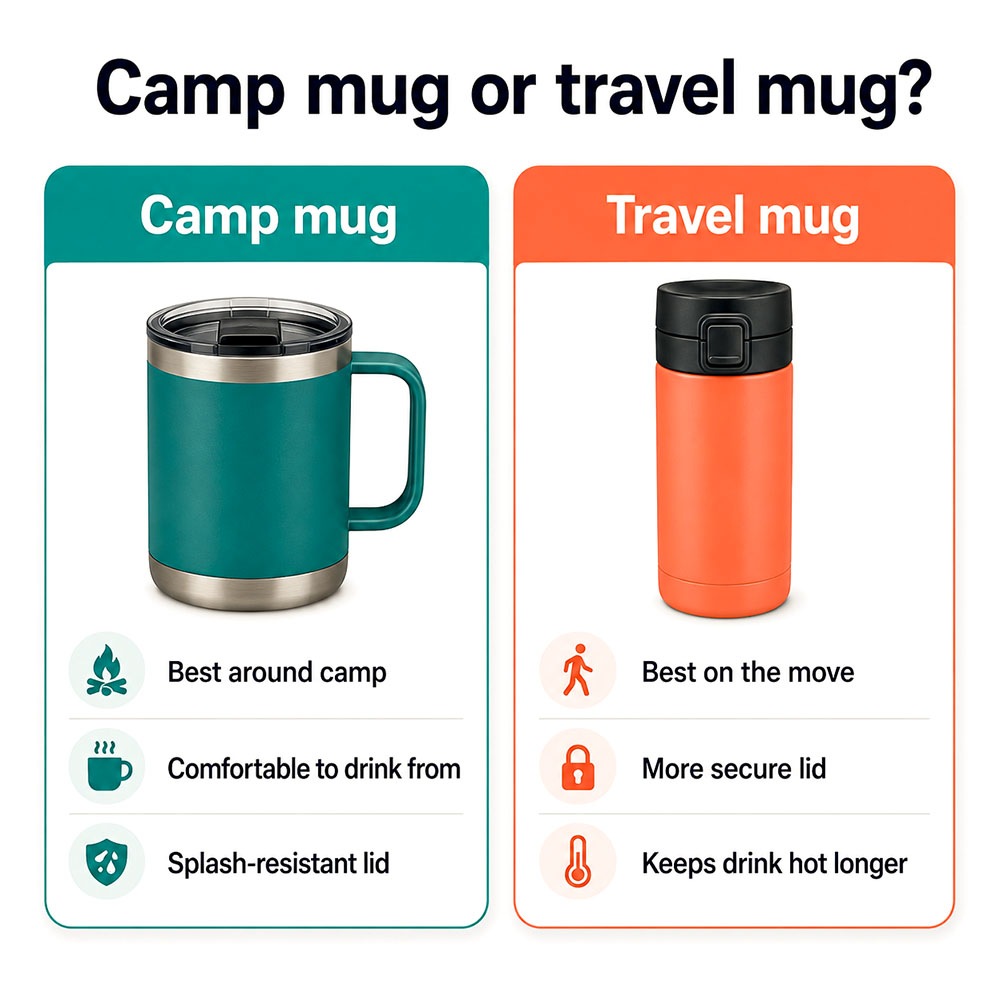
The Stanley Legendary Camp Mug is a good campsite mug because it is sturdy, insulated and comfortable to drink from. It is better for drinking around camp than for carrying inside a rucksack, because I found the lid to be splash-resistant rather than truly leakproof.
Best for
Camp coffee, tent mornings, campervans, and drinking around the campsite.
Key features:
Pros:
Cons:
Walks4all verdict
For drinking coffee around camp, the Stanley Legendary Camp Mug is a much better choice than a basic mug. For carrying coffee while walking, use a proper leakproof travel mug or flask.
|
|
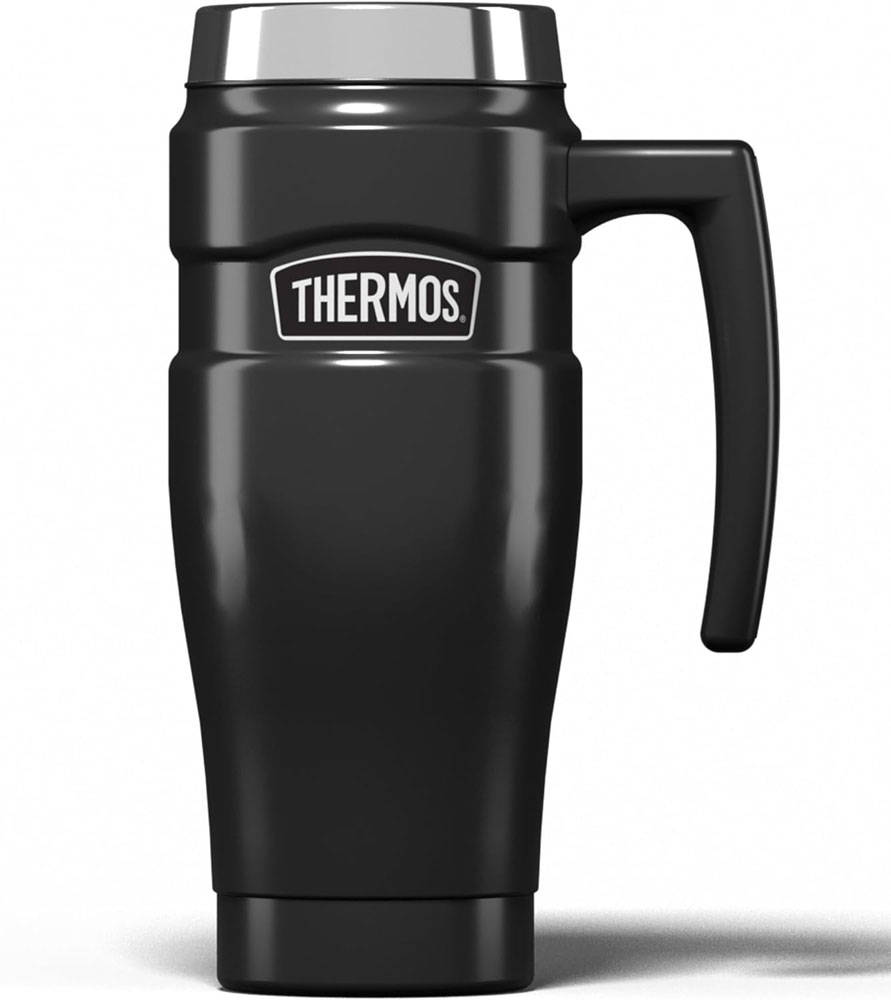
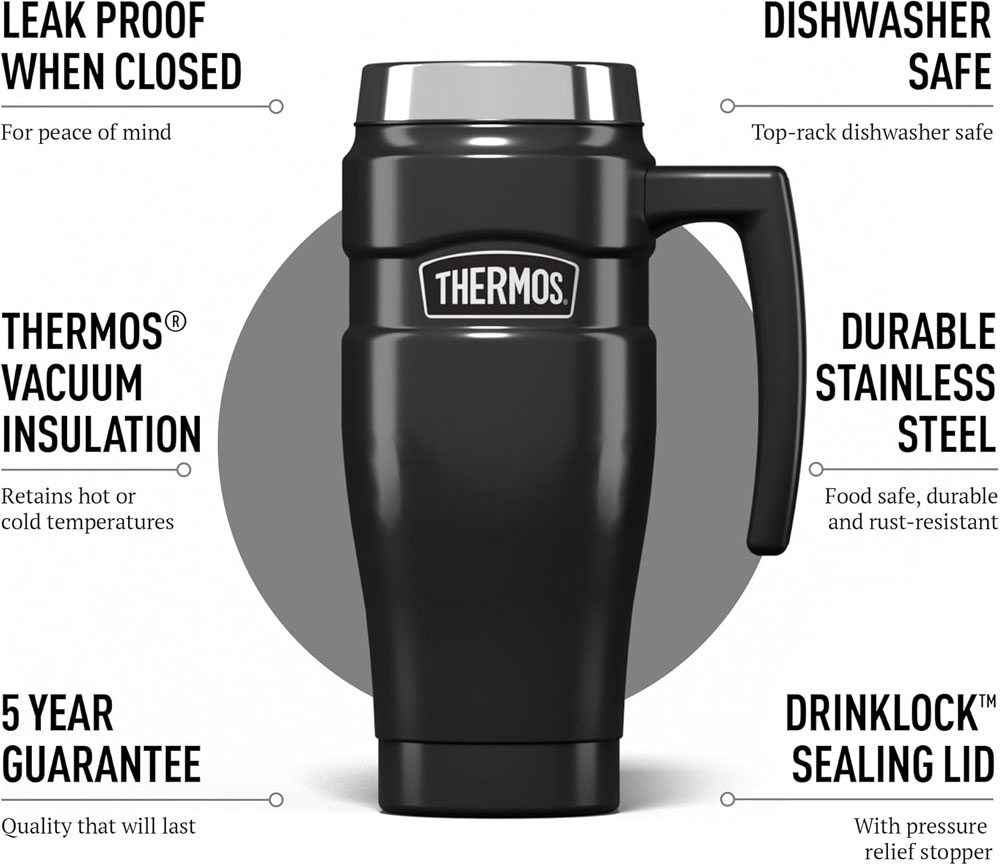
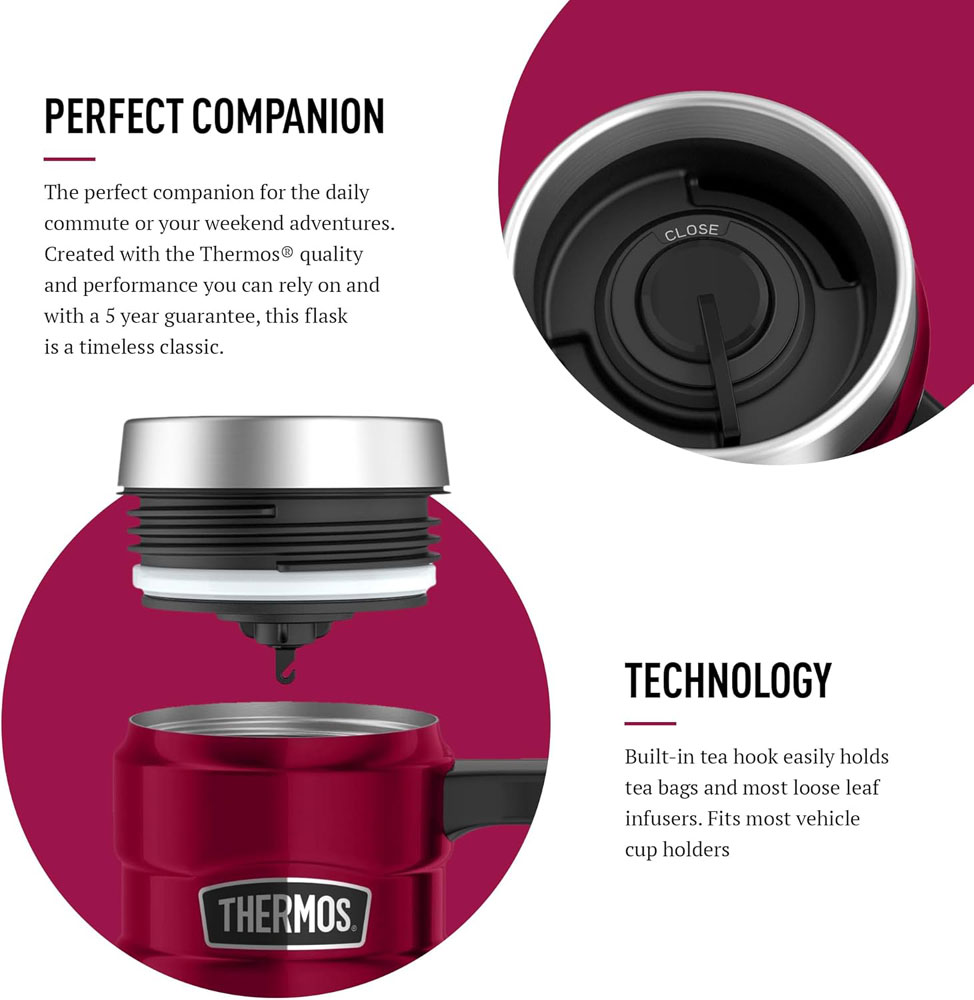
If you want to brew coffee before you leave and take it for a walk, a proper travel mug or flask is more useful than an open camp mug.
The Thermos Stainless King Travel Mug is a practical option because it is insulated, more secure than a standard camp mug, and designed for hot drinks on the move.
It is not a coffee maker, but it completes the setup. For many walkers, this may be the simplest solution: make good coffee at home, keep it hot, and drink it at the viewpoint. As good as it is, I must admit that when I take it on hikes, I attach it to the outside of my bag in case it leaks, since the top isn't as secure as with a flask.
Best for
Walkers who want hot coffee on the move, rather than brewing it from scratch outdoors.
Key features:
Pros:
Cons:
Walks4all verdict
Use a camp mug if you are drinking beside the tent. Use a Thermos-style travel mug or flask if you want to take coffee with you on your walk.
| Product | Why we considered it | Why it did not make the main list |
| AeroPress Original | Excellent coffee maker with a huge following | The AeroPress Go packs better for camping |
| AeroPress Go Plus | Newer travel version with a larger insulated tumbler-style setup | More expensive and bulkier than the standard AeroPress Go |
| WACACO Minipresso GR | Compact espresso-style option | I believe the Nanopresso just pips it |
| WACACO Picopresso | More serious portable espresso option | More specialist, more expensive and more technique-sensitive |
| Sea to Summit X-Brew | Lightweight collapsible camping dripper | Good product, but I found the GSI and Hario options a little better |
| Snow Peak Folding Coffee Drip | Premium folding dripper | Expensive for what most campers need |
| MiiR Pourigami | Clever flat-pack pour-over design | Heavier, pricier and less straightforward than simpler drippers |
| Jetboil Silicone Coffee Press | Useful for Jetboil owners | Too niche unless you already use a compatible Jetboil stove |
| OXO Brew Rapid Brewer | Interesting compact manual brewer with reusable filter | Overall, not too far behind the AeroPress Go |
| Makita DCM501Z Cordless Coffee Maker | Convenient for vans, worksites and car camping | Too bulky for walkers, but suits a particular niche |
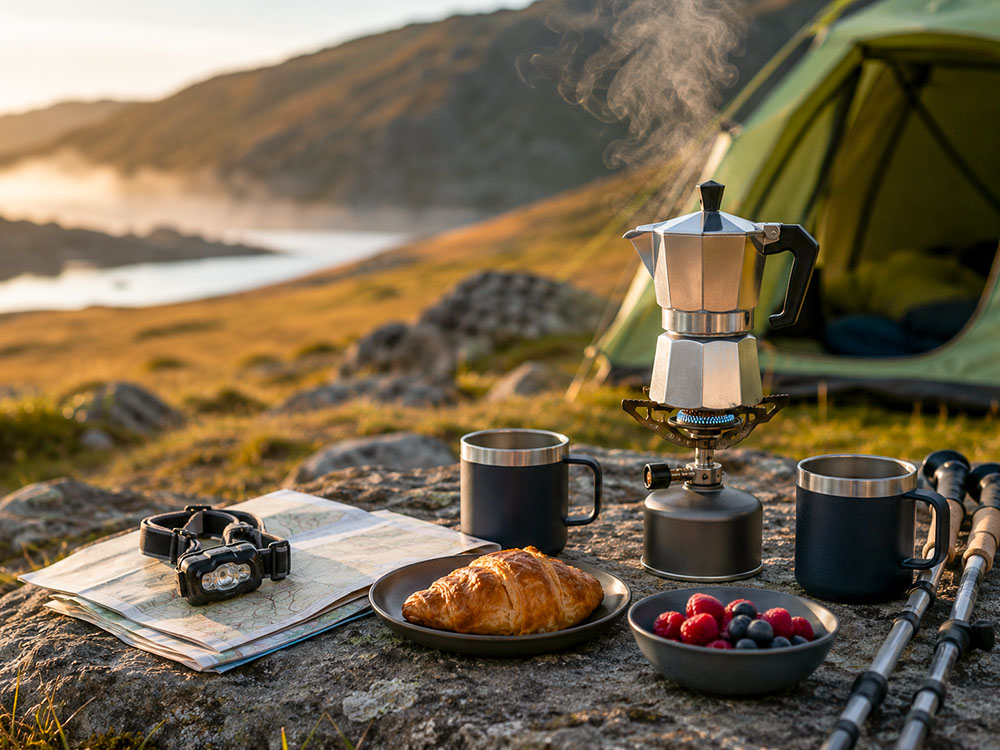
1. Match the coffee maker to the trip
The best camping coffee maker depends on how you are travelling.
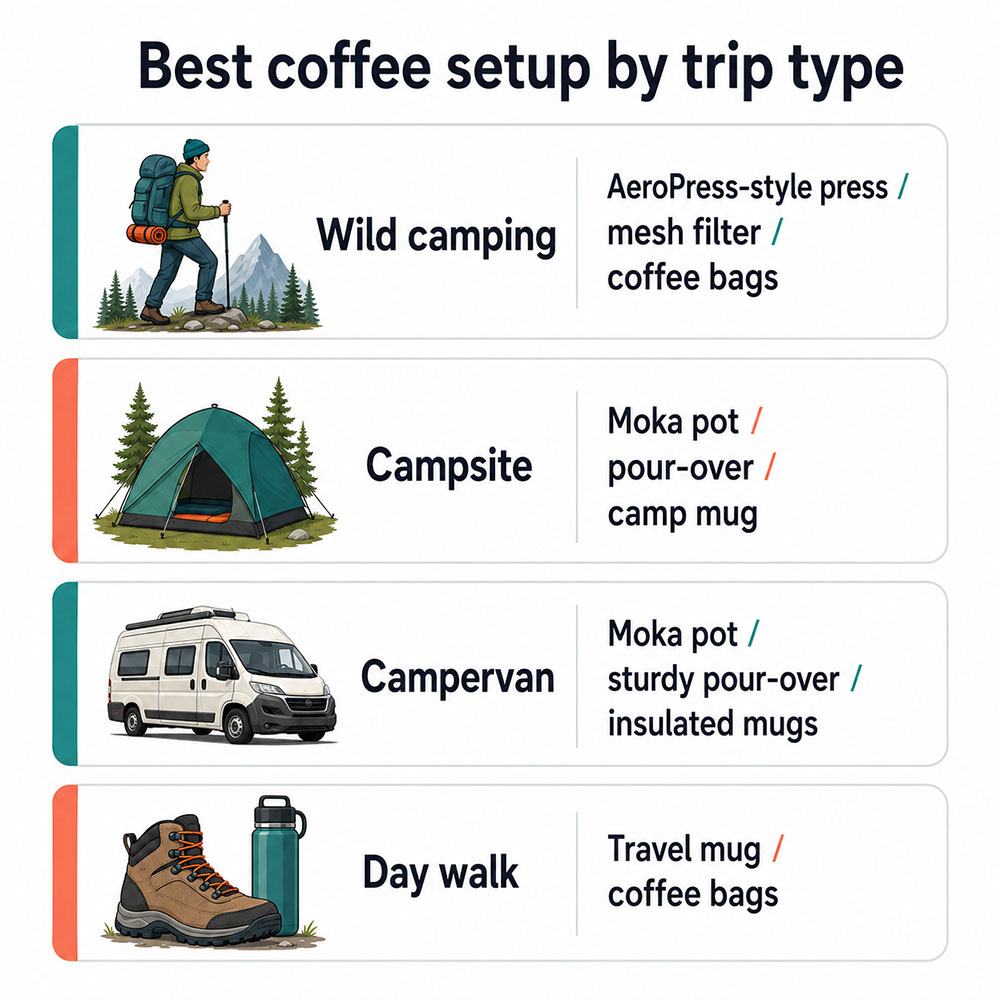
For a long-distance walk, weight and ease of cleaning matter more than luxury. For campsite camping, you can carry something heavier. For a campervan, convenience may matter more than pack size.
| Trip type | Best coffee option |
| Day walk | Thermos travel mug or coffee bags |
| Wild camping | AeroPress Go, GSI Java Drip or coffee bags |
| Lightweight backpacking | GSI Java Drip, Hario V60 or coffee bags |
| Family camping | Bialetti Moka Express or Stanley pour-over |
| Campervan | Bialetti, AeroPress Go or Stanley pour-over |
| Espresso-focused camping | WACACO Nanopresso |
| Emergency backup | Coffee bags or good instant coffee |
2. Think about cleaning before you think about taste
It is easy to choose a camping coffee maker based on taste alone, but cleaning is often what decides whether you keep using it.
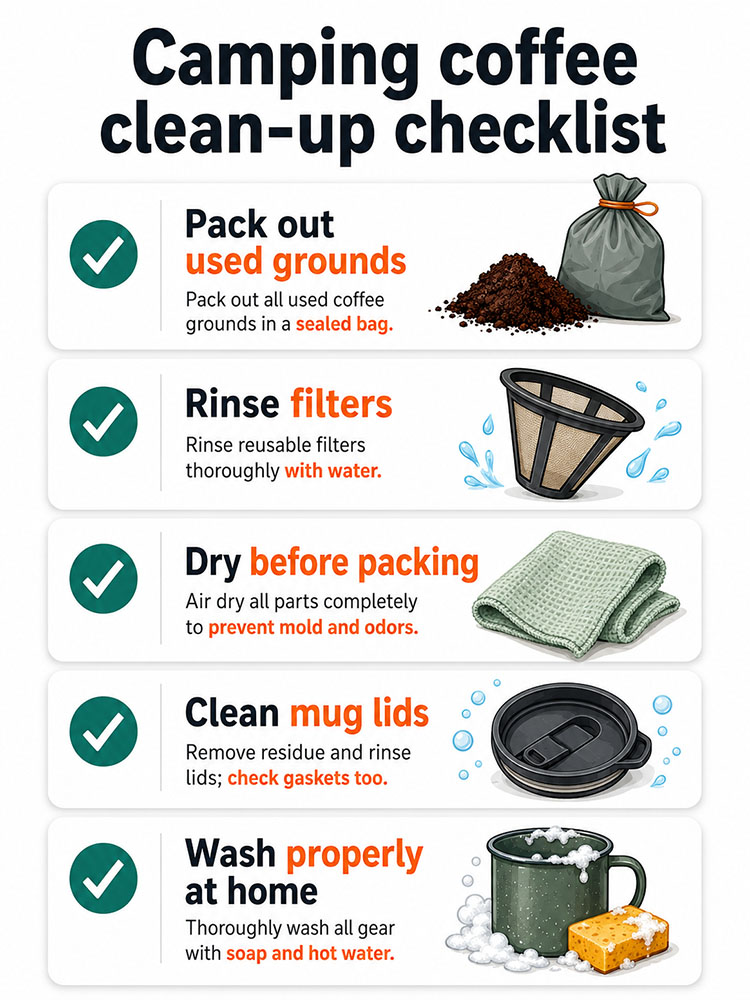
Loose, wet coffee grounds are messy. Mesh filters need rinsing. French presses can be awkward because the grounds settle at the bottom. If you are wild camping or using basic campsite facilities, simple cleaning matters.
The easiest options to clean are:
The messier options are usually:
3. Decide whether you want filter coffee, strong coffee or espresso-style coffee
Different coffee makers produce very different drinks.
| Coffee style | Best method |
| Smooth strong coffee | AeroPress Go |
| Clean filter coffee | Hario V60 or Stanley pour-over |
| Ultralight trail coffee | GSI Java Drip |
| Strong Italian-style coffee | Bialetti Moka Express |
| Espresso-style coffee | WACACO Nanopresso |
| Fast no-faff coffee | Coffee bags |
| Coffee carried from home | Thermos travel mug |
4. Consider fuel and hot water
Most camping coffee makers still need hot water. That means a stove, kettle, campervan hob or flask.
If you are backpacking, longer boiling times use more gas. Coffee bags and AeroPress-style brews are usually more fuel-efficient than large cafetières or big group brewers because you heat only what you need.
For camping while backpacking, it is worth thinking through the whole system:
The coffee maker is only one part of the setup.
5. Avoid fragile glass for walking and camping
Glass coffee makers are rarely ideal for outdoor use. They can break in transit and are harder to pack safely.
For camping, better materials include:
A glass cafetière may be suitable in a caravan, but it is not something I would choose for a rucksack.
6. Check whether you need one cup or several
Many portable coffee makers only make one drink at a time. That is fine for solo walkers, but slow if you are brewing for two or more people.
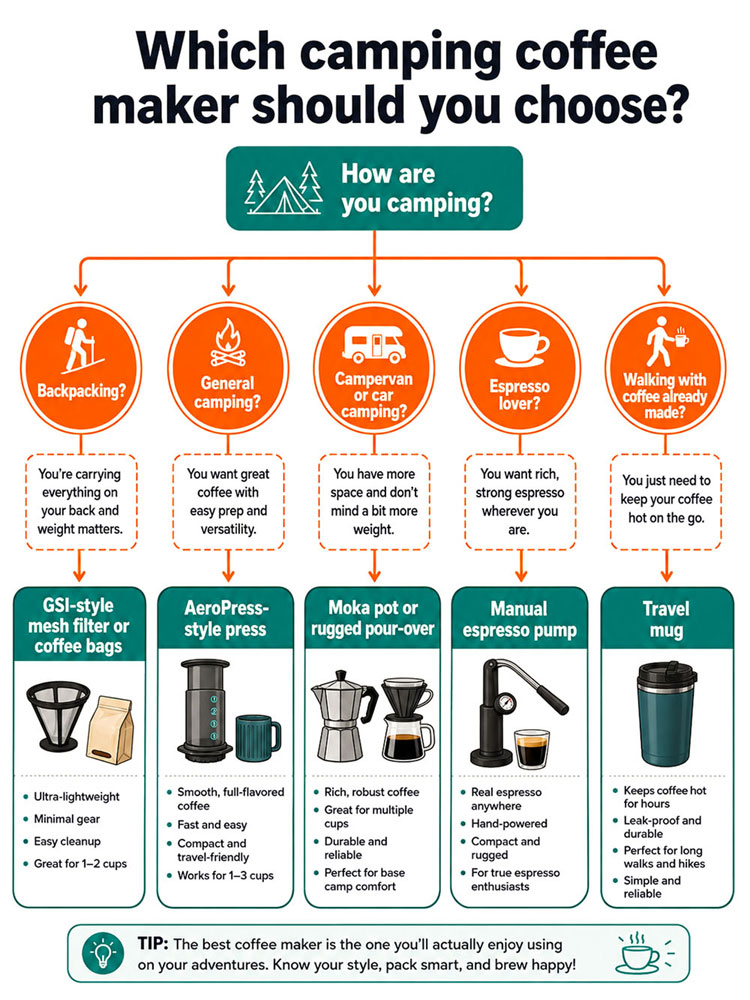
For groups, consider:
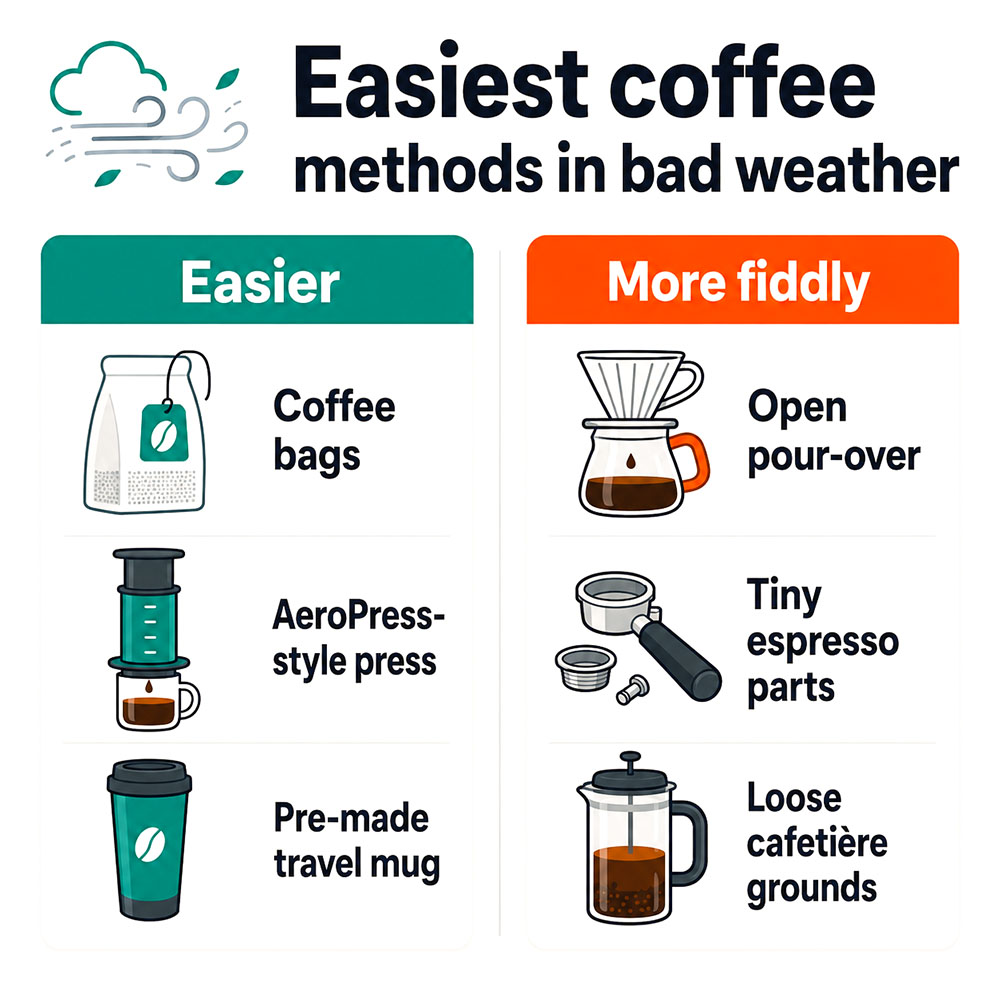
7. Think about wind and weather
Some coffee makers are much easier to use in poor conditions.
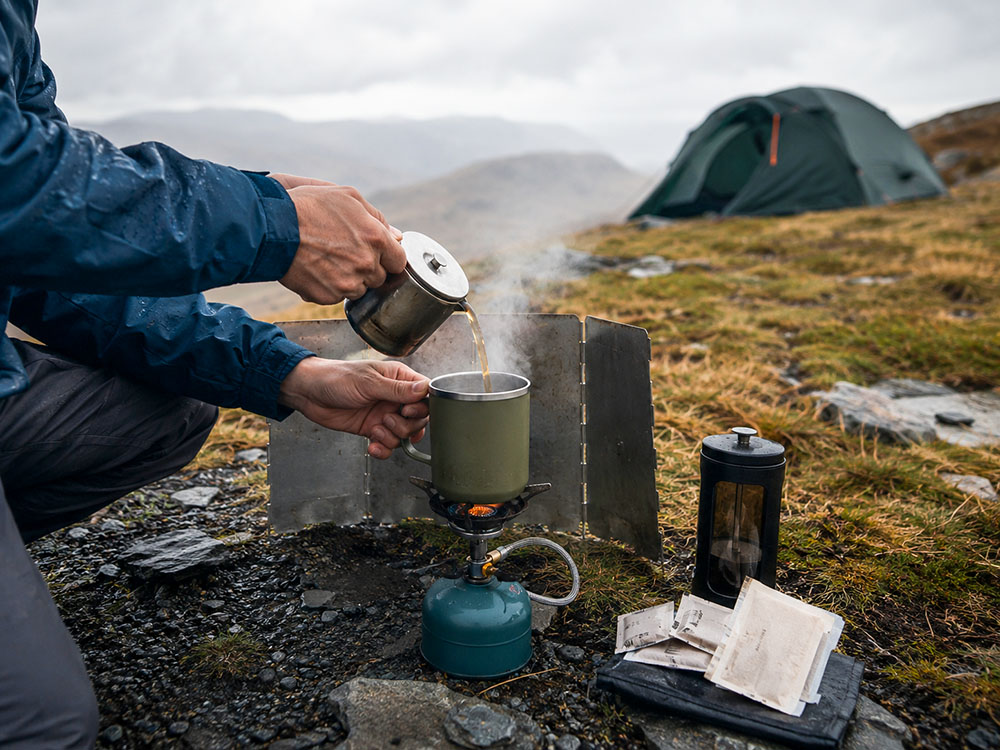
On a calm summer campsite, almost any method works. On a cold, windy morning, simple wins.
Best for poor weather:
More awkward in poor weather:
8. Choose the right grind size
Grind size makes a big difference in outdoor coffee.
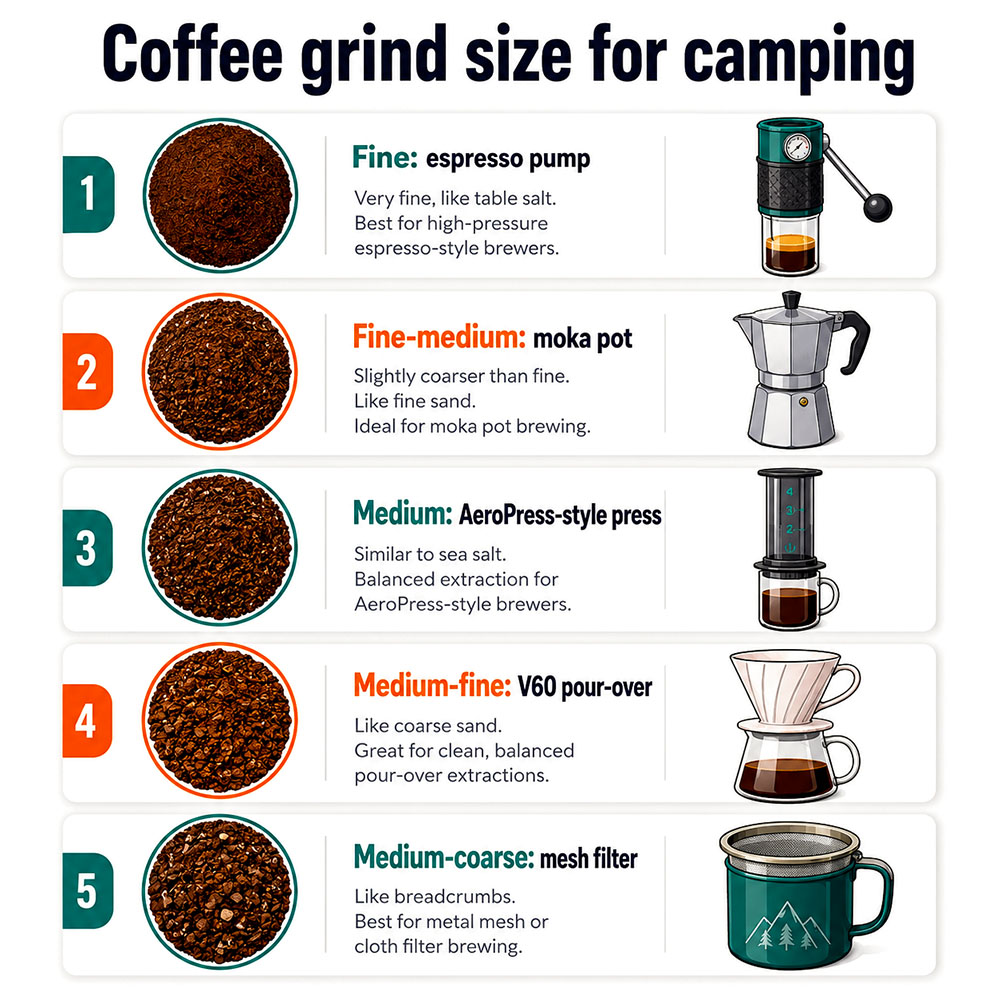
For camping, pre-ground coffee is usually the easiest option. If you take beans and a grinder, you will get fresher coffee, but you also add weight, bulk and the need to clean.
| Method | Best grind |
| AeroPress Go | Medium-fine to medium |
| Hario V60 | Medium-fine |
| Stanley pour-over | Medium to medium-coarse |
| GSI Java Drip | Medium to medium-coarse |
| Moka pot | Fine, but not espresso-machine fine |
| WACACO Nanopresso | Fine espresso-style grind |
| Coffee bags | Pre-filled |
Water is a major part of coffee, so poor-quality water can spoil an otherwise good setup.
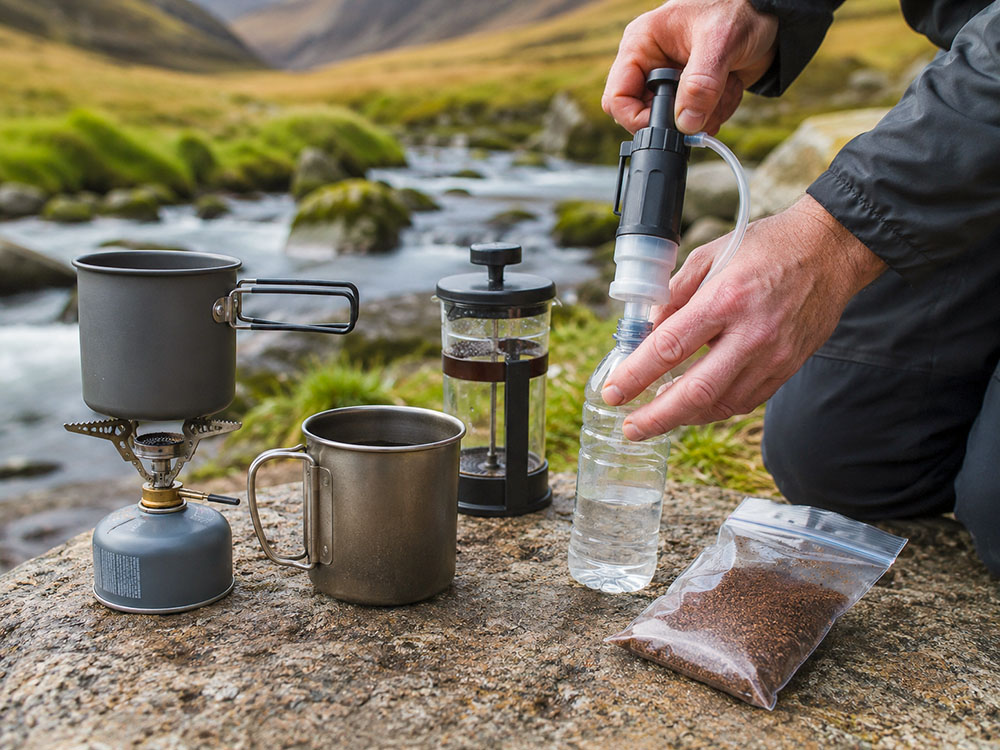
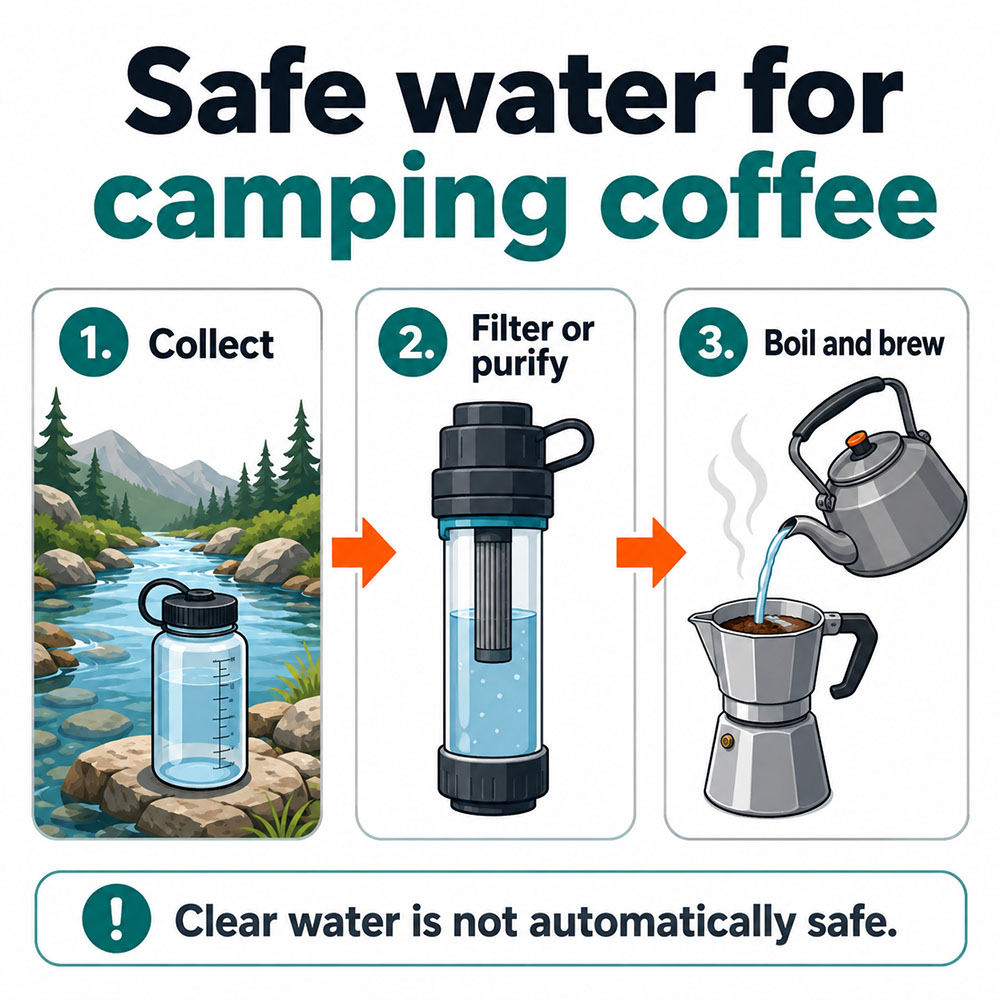
For normal campsite use, tap water is usually fine. For wild camping, do not assume that stream, lake or river water is safe just because it looks clear. If you are collecting natural water, filter or purify it before drinking or using it to make coffee.
For coffee specifically:
Coffee will not rescue bad water. If the water tastes unpleasant before brewing, I find the coffee usually tastes unpleasant too.
Pack out your used coffee grounds
Do not scatter coffee grounds around camp. They may seem natural, but they are still food waste and can attract animals or leave a mess for others.
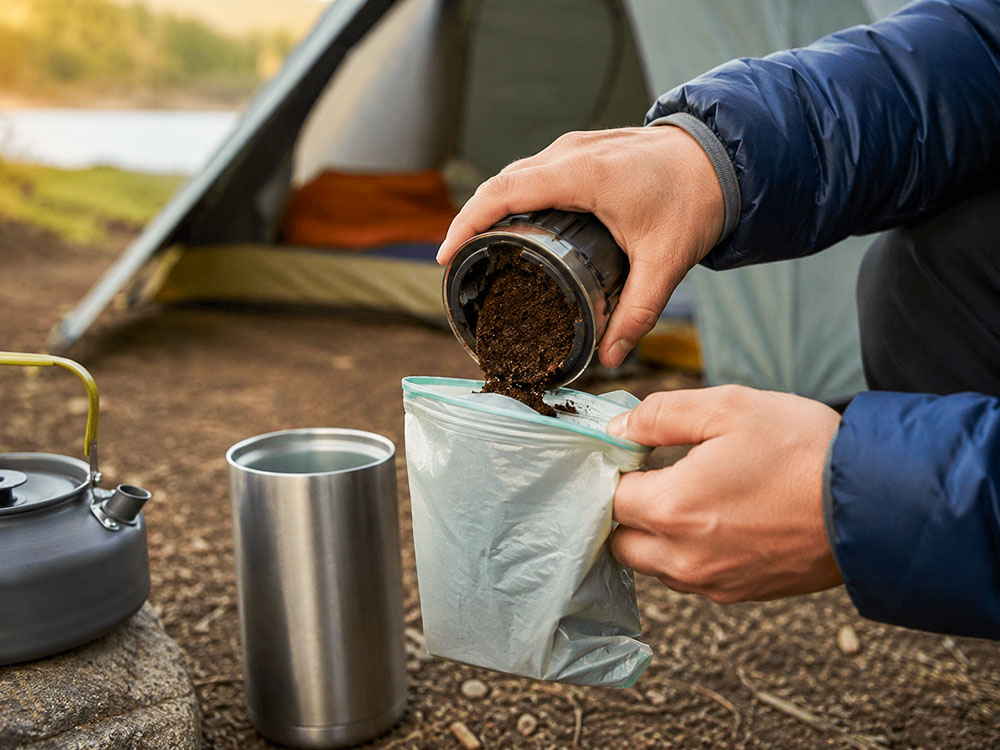
The simplest approach is to carry a small, sealable rubbish bag and pack out used filters, coffee bags and grounds.
Clean your brewer as soon as possible
Coffee oils build up quickly and can make subsequent brews taste stale. Even a quick rinse after brewing helps.
For best results:
Be careful with mesh filters
Mesh filters are convenient because you do not need paper filters, but they require more rinsing. Fine grounds can clog the mesh and slow the flow.
If your coffee tastes muddy or gritty, I find a slightly coarser grind helps.
Store paper filters properly
Paper filters weigh almost nothing, but they are annoying when they get wet. Keep them in a small zip bag or a waterproof pouch.
This is particularly important if you are using a V60-style dripper on a multi-day walk.
Do not seal the damp coffee kit in your bag
If you pack a damp filter, mug or brewer tightly in your rucksack, it can start to smell stale. Let items air-dry where possible, or wrap them separately, maybe in a dry bag, until you can clean them properly.
Clean insulated mugs thoroughly
Insulated mugs are brilliant for keeping coffee hot, but they can retain smells if you only rinse them quickly.
When you get home:
Lightweight walker setup
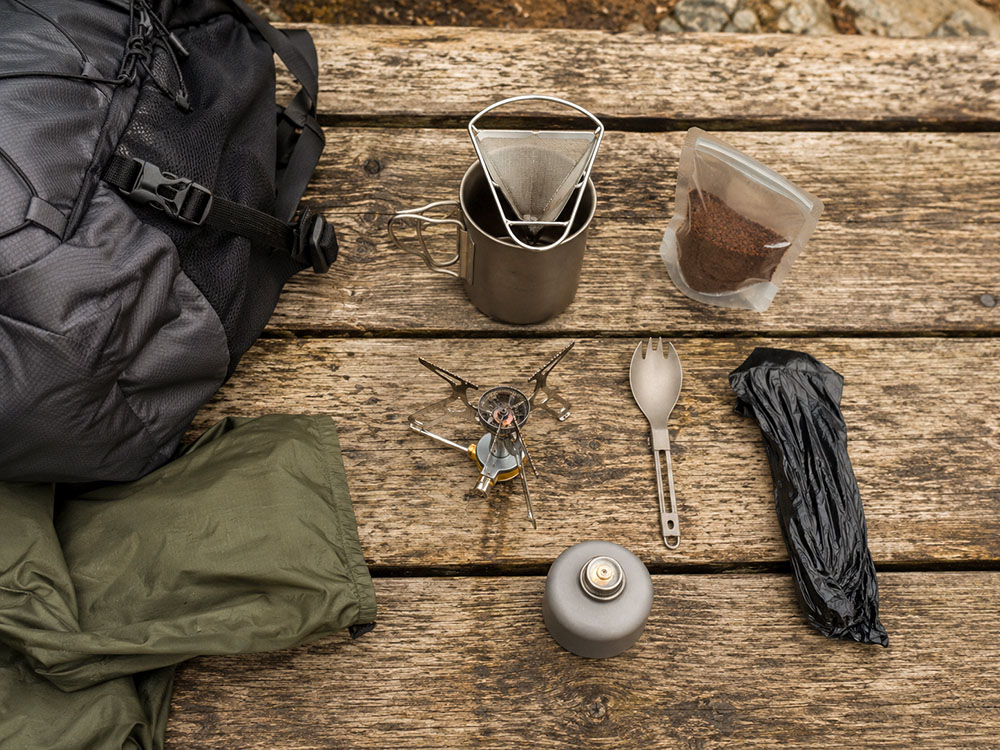
Best for wild camping and backpacking:
This is the best setup if you care about the weight of your essential hiking kit, but still want proper ground coffee.
Easy overnight setup
Best for quick camping trips:
This is the simplest setup, requiring almost no cleaning.
Best all-round setup
Best for most walkers and campers:
This setup gives the best balance of taste, packability and ease of cleaning.
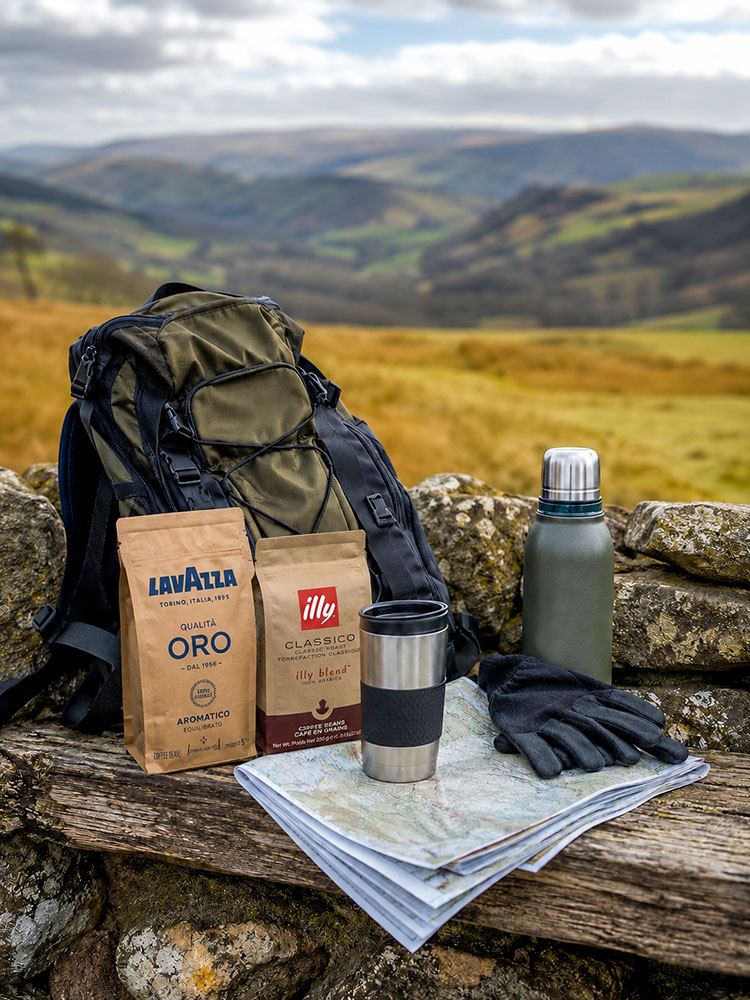
Campsite comfort setup
Best for campsites and campervans:
This is less about minimum weight and more about enjoying proper coffee around camp.
Espresso lover setup
Best for coffee enthusiasts:
This gives the closest espresso-style result, but it requires more effort.
Ground coffee
Ground coffee is the best compromise for most campers. It tastes much better than instant, but it does not require a grinder.
Store it in a small airtight tub or a resealable pouch, and take only what you need.
Whole beans
Whole coffee beans taste fresher, but you need a grinder. That adds weight, bulk and maintenance.
For most walkers, whole beans are only worth it if coffee is a major part of the trip.
Coffee bags
Coffee bags are the easiest option. They are clean, simple and reliable. They are not the tastiest option, but they are very practical.
Instant coffee
Instant coffee still has a place. It is light, cheap and almost zero-maintenance.
If you are walking long distances or simply want caffeine without fuss, good instant coffee remains a sensible backup.
For most walkers and campers, the AeroPress Go is the best overall camping coffee maker. It makes proper coffee, packs neatly and is easier to clean than most alternatives.
For the lightest setup, choose the GSI Outdoors Ultralight Java Drip or coffee bags. For a budget-friendly pour-over, the Hario V60 plastic dripper is hard to beat. For campsites and campervans, the Bialetti Moka Express and the Stanley Perfect-Brew Pour Over are both excellent choices.
If you want espresso-style coffee, the WACACO Nanopresso is the strongest option on this list, but it is fiddlier than an AeroPress. If you mainly want to carry hot coffee on a walk, the Thermos Stainless King Travel Mug may be more useful than any camping brewer.
The best camping coffee maker is not always the most technical one. It is the one you will actually use when it is cold and windy, and you have a walk to start.
Shop the Walks4all Amazon kit list
We've grouped some of the products mentioned in this article into our Amazon Storefront for convenience. As an Amazon Associate, we earn from qualifying purchases at no additional cost to you.
The best camping coffee maker for most walkers and campers is the AeroPress Go. It makes excellent coffee, packs down neatly, and is much easier to clean than a cafetière. It is especially good for solo campers and walkers.
The lightest option is to use coffee bags or a very small mesh pour-over filter. Coffee bags require no brewing equipment, while the GSI Outdoors Ultralight Java Drip lets you make a proper cup of ground coffee with very little extra weight.
Yes, an AeroPress is excellent for camping. It is durable, compact, quick to use and easy to clean. The AeroPress Go is particularly useful because it packs into its own travel cup.
Yes, a moka pot is suitable for use at campsites and in campervans. It makes strong coffee and works well on a camping stove, but it is heavier and bulkier than most backpacking coffee makers.
Yes, coffee bags are very good for camping when convenience matters. They are lightweight, easy to pack, and require almost no cleaning. They do not taste as fresh as ground coffee brewed in an AeroPress or a pour-over, but they are much easier.
For backpacking, choose a lightweight dripper, coffee bags, or an AeroPress Go if you do not mind a little extra weight. Avoid heavy moka pots or large French presses on long-distance walks.
For campervans, a Bialetti Moka Express, an AeroPress Go or a Stanley Perfect-Brew Pour Over is a good choice. They are more practical than ultralight filters when you have extra storage space and a stable cooking setup.
It depends on the coffee maker. AeroPress and V60-style drippers usually use paper filters, whereas moka pots, mesh drippers and many Stanley-style pour-over systems do not. Paper filters are lightweight, but they need to be kept dry and disposed of after use.
Pre-ground coffee is the easiest option for most campers. Store it in an airtight container and take only what you need. Coffee bags are best for simple overnight trips, while whole beans are best for coffee enthusiasts who are happy to carry a grinder.
Yes, but it is not always the most practical option. Cafetières can be bulky, messy to clean, and fragile if made of glass. Stainless-steel cafetières are better suited to campsites than to backpacking.
Place used coffee grounds, filters and coffee bags in a small rubbish bag and pack them out. Do not scatter grounds around camp. Rinse your brewer with clean water where facilities allow, then wash it properly when you get home.
Yes, but the water should be filtered or purified first. Clear water is not automatically safe to drink. A camping water filter can improve both safety and taste.
May 2026