By using this website, you agree to our use of cookies (needed to provide our website’s features) and our Terms of Use.
By: Andrew Forrest - Updated March 2026
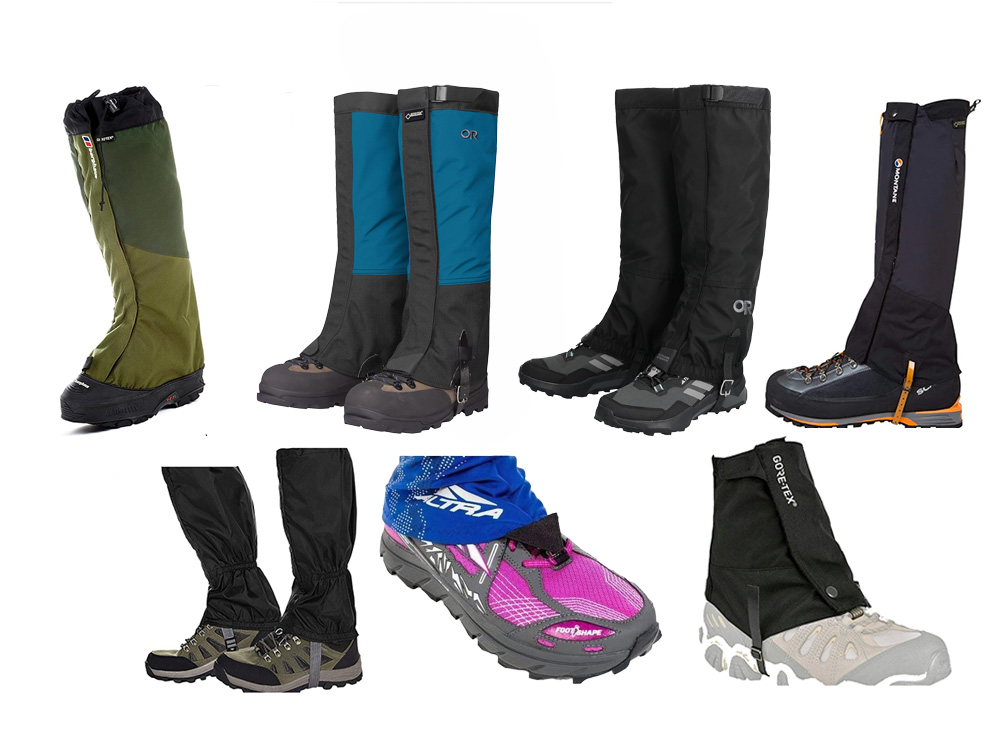
UK's definitive guide to the best gaiters of 2026. Find top-rated waterproof hiking and trail running gaiters for mud and snow. Compare models, learn how to choose, fit, and care for your pair.

This page contains affiliate links. If you buy products or services via these links, we may earn a small commission at no cost to you. If you are thinking of buying, please use our links, as it helps support our website and YouTube channel.
Gaiters are an essential piece of kit for walkers, hikers, and adventurers in the UK, providing protection to the lower legs, ankles, boots and walking trousers against mud, water, debris, and even insects.
Best gaiters at a glance:
Gaiter comparison table
| Model | Best for | Approx. weight | Height | Waterproof level | Best with |
| Outdoor Research Crocodile Gaiters | Best overall gaiters | 315g | Knee high | Waterproof | Harsh weather, winter boots and rough ground |
| Montane Endurance Pro Gaiter | Best lightweight gaiters | 190g | Full length | Waterproof | Mixed hillwalking and mountaineering |
| Natuce Hiking Gaiters | Best budget gaiters | 260g | Full length | Water resistant | Casual walks and beginners |
| Berghaus Yeti Attak II Gaiters | Best full-cover gaiters | Approx. 500g | Full cover | Waterproof | Extreme weather and full boot coverage |
| Trekmates Glenmore GTX Gaiters | Best ankle gaiters | 100g | Ankle | Waterproof | Loose stone, scree and lighter days |
| Outdoor Research Men's Rocky Mountain High Gaiters | Best non-Gore-Tex gaiters | 224g | Knee high | Water resistant | Wet grass, mud and light snow |
| ALTRA Unisex Trail Gaiter | Best trail running gaiters | 32-34g | Ankle | Debris protection | Trail shoes and fast hikes |

| Men's | |
 |
 |
| Women's | |
|
|

The Outdoor Research Crocodile Gaiters are a full-length mountain gaiter and have been around long enough to earn a very strong reputation among walkers, mountaineers and winter users. They use a Gore-Tex 3-layer upper with a very tough Cordura lower section, which is exactly the sort of combination you want when the ground is wet, rough and abrasive.
Compared with lighter walking gaiters, the Crocodiles are clearly built with durability and protection first. The secure top closure, lace hook, and replaceable TPU instep strap are designed to keep the gaiter locked in place on long, rough days, and the higher-spec materials make much more sense once you are pushing into harsher weather, deeper mud, boggier ground, or more serious winter conditions.
The downside is that they are not the lightest or cheapest option, and for easy valley walks, they might feel more than you really need. However, if you want a more durable gaiter that can withstand bad weather, sharp ground, and repeated use better than most, this is the clear tough mountain addition to the guide. This winter, they have been my most worn pair, and they are currently my go-to for wet, boggy walks.
Pros:
Cons:

|
|

For a budget pair of gaiters, as usual, I have looked on Amazon for one of their best sellers with an average of over 4-star reviews. These Natuce hiking gaiters certainly fit that bill, with over 1,600 reviews averaging 4.2 stars out of 5.
These Natuce Hiking Gaiters offer practical protection at an affordable price, currently £12, making them ideal for casual hikers or beginners. Made from durable polyester, they weigh 260 grams per pair and offer an effective defence against water, mud, and light debris. The adjustable TPU instep strap and elasticated cuffs ensure a comfortable and secure fit for most leg sizes. Their lightweight and compact design makes them easy to pack for day hikes or multi-day adventures.
For me, I found them easy to put on, and during their three test hikes, kept the bottoms of my trousers dry and free of mud. However, I did notice on the third walk that the Velcro wasn't sticking quite as well as the first two walks, and the bottom of my legs did feel warmer than when I walk in my Rabs. But, for a new pair of great-value, cheap and cheerful gaiters, you can't go far wrong.
Pros:
Cons:

|
|
 |
|

The Berghaus Yeti Attak II Gaiters are designed for extreme conditions, offering full coverage from boot to knee. They use a three-layer Gore-Tex® 3L Misano/Nylon 1000D fabric, which they claim offers exceptional waterproofing and breathability, ensuring comfort even in the wettest environments. Weighing approximately 500 grams per pair, they are sturdy, featuring a reinforced instep that offers excellent protection against mud, water, and debris.
A full front hook-and-loop system keeps the storm flap securely fastened to your boot, while the durable rubber band ensures a secure fit across various boot types, making them a favourite among many in the army and serious adventurers tackling the harshest terrains.
For my general hiking, they felt a bit excessive and were not very easy to put on. I tried them on before heading out and struggled, so I wouldn't want to put them on in a rush while out hiking. However, once they were on, they offered excellent protection, even though they were noticeably heavier than the others.
Pros:
Cons:

|
|
 |
|
 |
|

The Trekmates Glenmore GTX Gaiters are, for me, the best choice for hikers who prioritise lightweight, compact protection, with Gore-Tex fabric for excellent waterproofing and breathability.
This sturdy Gore-Tex ankle gaiter, featuring abrasion-resistant panels, is ideal for trail use. Its adjustable ankle wrap design and stretch panel offer a low-profile fit, reducing snags and trip hazards, while a durable, narrow underfoot strap works in conjunction with boot laces to ensure a secure fit and prevent the gaiters from riding up. Velcro fastens the storm flap behind the zip.
The upper panels utilise Gore-Tex Taslan, while the lower panels are reinforced with 600D polyester, offering a balance of performance and value. Designed for comfort and durable waterproof protection, the Gore-Tex material effectively blocks elements from entering your footwear while allowing perspiration and heat to escape, ensuring high levels of comfort.
Weighing only 100 grams per pair, these Trekmates Glenmore GTX Gaiters are perfect for shorter hikes, trail running, or milder weather. I take this lightweight gaiter with me when walking through lots of scree, loose paths, low heather, thorns, etc., especially if I wear shorts instead of walking trousers. Their compact size makes them easy to pack into any backpack.
Pros:
Cons:

|
|
|
|

The Montane Endurance Pro Gaiter is an excellent lightweight choice, perfect for serious hikers and mountaineers who need sturdy protection without extra weight. Weighing just 190 grams per pair, it offers the best mix of durability and lightness. Crafted from Gore-Tex Pro 80D fabric, this gaiter is fully waterproof and breathable, ensuring maximum comfort during long walks.
It features 600D ballistic nylon reinforcements around the ankles for enhanced durability in rugged terrains. The design includes a front hook-and-loop fastening system for a secure, streamlined fit on your boots. The adjustable calf strap and elasticated underfoot strap provide a customised fit for different boot sizes. This gaiter is particularly well-suited for mixed conditions, from snowy hills to wet, muddy paths.
In all my testing, you didn't really feel like you were wearing them. They were very comfortable and lightweight, and I experienced no water ingress at all.
Pros:
Cons:

| Men's | |
|
|
| Women's | |
|
|


The Outdoor Research Rocky Mountain High Gaiters are a very practical all-round choice for walkers who want proper knee-high coverage without needing to upgrade to a heavier mountain gaiter. They are made from 420D nylon packcloth with a polyurethane coating, focusing on durable debris protection and reliable weather resistance rather than full winter-weight bulk.
What I appreciate about them is that they sit neatly between a lighter ankle gaiter and a more robust Gore-Tex mountain gaiter. They are tall enough for wet grass, muddy tracks, heather, brush, and light snow, yet at around 224 grams per pair, they remain relatively easy to pack and carry. The hook-and-loop front closure, lace hook, and Hypalon instep strap also keep the design simple and field-friendly. They are available in three colours and various sizes, with men’s and women’s versions.
For typical UK hillwalking and lower-level muddy walks, these seem like one of the most practical 'put them on and forget about them' options. The main trade-off is that they are water-resistant rather than fully waterproof Gore-Tex designs, so if you spend a lot of time in winter mountains or in sustained deep snow, I would still choose a sturdier gaiter.
Pros:
Cons:

|
|


The ALTRA Trail Gaiter is a specialised option for trail shoes instead of walking boots. Rather than acting as a tiny waterproof gaiter, it is designed to prevent grit, pebbles, sand, dry trail debris, and light mud from entering low-cut shoes while remaining as breathable and unobtrusive as possible.
Its main selling point is the strapless design. That means there is no underfoot strap to wear out, no extra bulk under the shoe, and you can change shoes or socks without removing the gaiter. It works best with Altra shoes that have GaiterTrap attachment points, but a hook-and-loop attachment is included for other trail shoes as well. It is also extremely light, making it suitable for trail running, fast hiking, and long summer days when a heavier gaiter would simply feel too hot.
The compromise is clear: this is not the gaiter for soaking-wet grass, prolonged boggy ground, or winter mountain conditions. It is primarily a debris gaiter. However, if you run, fastpack, or hike in trail shoes, it is a far more suitable choice than trying to force a tall, boot-focused gaiter into a role it was never designed for. I have a pair in my backpack that I slip on when crossing scree. They are available in a unisex design with various colours and sizes.
Pros:
Cons:
Most of my gaiter use involves terrain typical of many walkers' routes in the UK: boggy paths, wet grass, muddy bridleways, heather, loose stones, low thorny vegetation, and occasional patches of slush or snow. I assess gaiters based on how easily they fit over boots, how well they stay in place, how effectively they keep out moisture and debris, how hot they feel on the leg, and whether the instep strap and lower panels seem durable, as well as their relative prices.

For lighter trail gaiters, I consider them as a separate tool rather than expecting them to perform the same role as a full winter gaiter. A low, breathable gaiter for trail shoes should be evaluated based on comfort, debris protection, and simplicity, whereas a knee-high Gore-Tex gaiter should be assessed more critically on weatherproofing, durability, and security over rough terrain.

When selecting gaiters, consider the following factors to ensure they suit your needs and provide the best performance:

If you're hiking in deep snow, heavy rain, or muddy terrain, opt for full-length waterproof gaiters to maximise protection. For dry, dusty trails or casual walks, lightweight and low-cut gaiters may suffice. Think about the type of activity you'll be doing and the environmental challenges to guide your choice.

In warm weather, breathable materials like Gore-Tex or eVent are essential to prevent overheating and discomfort. Conversely, insulated gaiters are helpful in colder weather or snowy environments to keep your legs warm and dry. Selecting the right material ensures comfort across various conditions.
Walking gaiters should be easy to put on and remove from your boots, especially in unpredictable wet weather. Look for features like quick-release buckles, Velcro closures, or simple zippers for hassle-free adjustments. Adjustable designs that suite various footwear and clothing layers are particularly convenient.
Think about the terrain you'll be walking on. If you're traversing rugged trails, look for gaiters made of ripstop nylon or materials with reinforced areas around high-wear sections such as the instep. Durable hardware like metal buckles and triple-stitched seams will also help your gaiters last longer.
A snug yet comfortable fit prevents gaiters from slipping or causing irritation during extended use. Ensure they are compatible with your footwear and adjustable enough to suit your leg size and preferred boots.

If you plan to carry your gaiters in a backpack when not in use, choose lightweight and compact options that won't take up too much space. This is especially important for multi-day hikes or when packing light. If they are wet or muddy when you take them off, put them in a drybag, before placing them in your rucksack.

When using walking boots, a mid-height or full-length gaiter usually makes the most sense. It provides enough overlap with the boot collar to keep out wet grass, mud, and loose debris, and the taller design helps prevent water from running down onto your socks and trouser hems.
With trail shoes or trail runners, priorities shift. Most people benefit more from a low, breathable gaiter that keeps grit out without adding heat or bulk. This is where models like the ALTRA Trail Gaiter are much more suitable than a tall gaiter designed for boots.
For winter boots, deeper bogs, wet heather, and rougher hill use, it is worth opting for a more robust full-length gaiter. This is where models like the Outdoor Research Crocodile or Rab Muztag justify their extra weight through better protection and more durable materials.

Material is a critical factor when choosing gaiters, as it influences their performance and comfort. Waterproof and breathable fabrics, such as Gore-Tex or eVent, are ideal for keeping your feet dry in the UK's unpredictable weather. High-quality materials ensure durability, even in tough conditions, protecting you from thorns, rocks, and heavy rain. Additionally, materials with reinforced panels around high-wear areas can further boost the lifespan of your gaiters.

Full-length walking gaiters offer comprehensive protection in wet conditions, covering from your ankle to just below the knee. They are perfect for tough environments like snow, deep mud, or heavy rain, where full coverage is essential. These gaiters typically feature a full-length zip running up to the knee and are designed to keep water, debris, and even deep snow away from your lower leg, making them popular among serious hikers and mountaineers. Their sturdy design usually includes durable fabrics and waterproof materials to ensure they stand up to the harshest conditions.

Lower calf gaiters, often called mid-length gaiters, strike a balance between protection and mobility. They extend from the ankle to the mid-calf, providing sufficient defence against mud, water, and light debris. These gaiters are ideal for hikers navigating moderate trails or less harsh weather conditions. Their shorter height makes them lighter and less restrictive while still offering ample coverage for most outdoor activities.
Compact ankle gaiters are the shortest of the three and are perfect for lightweight activities such as trail running or short hikes. Covering only the area around your ankles, they are designed to prevent pebbles, sand, and light debris from entering your footwear. Although they lack the full protection of taller gaiters, their minimalistic design makes them easy to wear and pack. These gaiters are perfect for dry climates or well-maintained paths where extensive coverage isn't necessary.
A dependable closure system keeps your gaiters securely in position throughout your walk. Velcro fastenings are easy and quick to adjust, making them popular among many walkers, especially if you have cold hands. Zippers provide a smooth fit but need to be durable and weather-resistant to prevent problems in wet or muddy conditions. Snap buttons can offer extra security and are often combined with other closure methods for a snug fit.

Durability is crucial in a gaiter, especially for those walking in rugged or challenging environments. Look for hiking gaiters with reinforced areas around the ankles and instep straps, as these are most susceptible to wear and tear. Durable materials, such as ripstop nylon, prevent rips and punctures from rocks or brambles. High-quality stitching and sturdy hardware, like metal buckles or loops, also help extend the gaiters' lifespan.

The fit of your hiking gaiters should be snug yet comfortable, allowing for freedom of movement without slipping or chafing. Ensure the gaiter is compatible with your footwear, whether you wear hiking boots or trail shoes. Features like adjustable straps, elasticated cuffs, and a secure closure system can help achieve a custom fit. A well-fitted gaiter not only enhances comfort while hiking but also improves performance by effectively keeping debris and water out.
Properly wearing hiking gaiters ensures they offer maximum protection and comfort, keeping your socks dry. While the fitting process can vary slightly depending on the type, they are generally fitted in a similar way. Here's a step-by-step guide:

Open all straps, zippers, or Velcro fastenings on your gaiters to make it easier to position them over your boots and legs.
Place the gaiter around your lower leg, making sure the front closure lines up with the centre of your shin. The bottom edge of the gaiter should sit snugly over your boot, with the instep strap positioned underneath the sole.
Adjust the instep strap to fit securely under your boot's arch. This keeps the gaiter securely in position and prevents it from shifting during movement whilst hiking.
Hook the gaiter's lace hook onto your bootlaces on your boots to ensure it stays in place, especially during vigorous activities.
Start fastening the gaiter from the bottom upwards using the zipper, Velcro, or press stud closures. This ensures a secure fit and prevents any gaps.

Tighten the drawcord or strap at the top of the gaiter to secure it around your calf. It should feel snug enough to prevent debris or water from entering, but not overly tight.
Walk around briefly to check that the gaiters are comfortable and securely fastened. Make any necessary adjustments to ensure they don't slip or feel too tight.

By following these steps, you can ensure your gaiters are worn correctly and provide effective protection against mud, water, snow, and debris during your outdoor adventures.

Gaiters are essential outdoor gear that offer vital protection for your feet, boots, lower legs, and walking trousers. Whether you're crossing wet, muddy trails or streams, gaiters serve as a dependable barrier against water, dirt, debris, and insects. By preventing these elements from entering your boots, they boost comfort and decrease the likelihood of blisters caused by damp socks or small stones.
For hikers and walkers in the UK, where weather conditions can change quickly, gaiters provide peace of mind and protection against the unexpected. Waterproof gaiters are especially useful in rainy conditions, while breathable models help prevent overheating during warm-weather walks. Additionally, wearing gaiters can prolong the life of your boots and trousers by shielding them from abrasion and harsh elements.

For me, gaiters are an essential part of my wet gear and protection kit, which includes waterproof trousers, a waterproof jacket, gloves, and a hat.
Gaiters are versatile, serving a range of outdoor enthusiasts, from casual walkers to hikers and mountaineers. They can be used in all seasons, keeping your feet dry and free of debris across various terrains and weather conditions. Investing in a good pair of gaiters can significantly enhance your walking experience, making each step more comfortable and secure while safeguarding your ankles and boots.


Proper care and maintenance of your gaiters can considerably extend their lifespan and helps ensure they perform effectively during your outdoor adventures.
By following these steps, you can keep your gaiters in excellent condition, ensuring they remain a reliable part of your kit for all your outdoor adventures.
Investing in the right pair of gaiters enhances your walking experience by keeping your feet dry and protected. Think about your specific needs, the environment you'll be exploring, and the features that matter most to you when selecting them.
Happy walking!
Gaiters are designed to protect your lower legs and footwear from mud, water, debris, and snow while out hiking. They are especially useful in wet, muddy, or snowy conditions, keeping your feet dry and comfortable.

No, not every hike needs gaiters, but they are handy in conditions with loose debris, snow, or heavy rain. For casual walks on well-kept paths, they are usually not necessary, but I have a couple of friends who like to wear a pair on every hike.
Choosing gaiters depends on the terrain, climate, and activity level. For wet or snowy conditions, choose waterproof, full-length gaiters. For trail running or dry hikes, a lightweight ankle gaiters are suitable.

Most gaiters are compatible with hiking boots and trail shoes. Some designs, however, cater specifically to certain types of footwear, so always check compatibility before buying.
Clean gaiters after each use and reproof them periodically with waterproofing treatments such as Granger's Clothing Repel or Nikwax TX Direct to maintain their water resistance. Proper care extends their life and ensures optimal performance.

Yes, a good pair of gaiters can provide a barrier against ticks and other insects, especially in dense vegetation. For added protection, look for gaiters treated with insect-repellent coatings.
Most gaiters are adjustable to fit various leg sizes. Choose models with elasticated cuffs, Velcro and adjustable straps for a secure and comfortable fit.
To wear gaiters, position them around your lower leg with the front closure aligned to your shin, secure the under-boot strap, and attach the lace hook to your bootlaces. Fasten the closures firmly and adjust the top drawcord for a comfortable, secure fit.
No. Some gaiters are fully waterproof; others are only water-resistant. Some trail-running gaiters are mainly designed to keep out grit and loose debris rather than heavy rain and splashes from boggy areas. That is why it is helpful to match the gaiter to the specific purpose, rather than assuming every model will suit every walk.
Not always, but they can be. If most of your walking is on maintained paths in dry weather, a lighter, lower gaiter may be more comfortable. Full-length gaiters are ideal for wet grass, muddy ground, heather, winter hills, and rougher off-path terrain.
Usually not. A trail-running gaiter is excellent for grit, small stones, and keeping trail shoes cleaner, but it is not a substitute for a taller waterproof gaiter when the weather becomes properly wet or wintry.
March 2026