Athlete's foot prevention and treatment: The ultimate guide for hikers
By: Andrew Forrest - February 2026
Expert hiker's guide to preventing and treating athlete's foot. Backed by 15 clinical studies, learn about moisture-wicking socks, footwear hygiene and OTC treatments. Stay fungus-free on the trail.
Table of contents
This page contains affiliate links. If you buy products or services via these links, we may earn a small commission at no cost to you. If you are thinking of buying, please use our links, as it helps support our website and YouTube channel.
For many hikers, their feet are their most prized possession. However, the dark, damp, and warm environment inside a high-performance hiking
boot is a breeding ground for 'Tinea pedis' - commonly known as athlete's foot.
Whether you are planning a weekend in the Lake District or a multi-day trek on the West Highland Way, foot hygiene could be as important as
your navigation skills. Following a 'Scientific yet accessible' philosophy, this guide explains how to prevent, identify, and, most importantly,
treat athlete's foot so you can stay on the trail.
Health & Wellness Disclaimer
The information in this article is provided for general educational and informational purposes only and is not intended as medical advice,
diagnosis, or treatment for skin conditions. While we reference peer-reviewed research and clinical guidance on foot hygiene and fungal
infections (Tinea pedis), individual circumstances and responses to treatment vary widely.
Over-the-counter antifungal treatments (such as creams, sprays, and powders containing agents such as terbinafine or clotrimazole) may not be
suitable for everyone. You should consult a qualified healthcare professional, such as a GP, podiatrist, or pharmacist, before starting any
new treatment. This is particularly important if you have underlying health conditions (such as diabetes or a compromised immune system), a
history of sensitive skin or allergies to topical medications, are pregnant or breastfeeding, or if the infection is severe, affects the nails,
or does not improve within the expected timeframe.
Product availability, formulations, and specific licensing guidance may change. It is your responsibility to read and follow the manufacturer's
instructions, contraindications, and dosage guidance carefully before use. Walks4all does not provide personalised medical advice, and reliance
on any information in this article is at your own discretion.
Understanding the enemy: What is athlete's foot?
Athlete's foot is a fungal infection caused by dermatophytes. These organisms thrive on keratin, the protein found in your skin and nails. In
the outdoors, it can be highly contagious and spreads through direct contact or via contaminated surfaces such as communal showers and damp
socks.[1]
Athlete's foot isn't just the preserve of hikers; many others, including footballers, golfers, runners and those who use communal showers, can
also suffer from it.
While it often starts as a pesky itch, left untreated, it can lead to painful 'maceration' (soggy, white skin), deep fissures, and secondary
bacterial infections that can end a trek prematurely.
Close-up of a hiker's foot showing severe athlete's foot symptoms
Prevention: The 'dry-feet' strategy
Prevention is far easier than a cure. To stop fungi from taking hold, you must disrupt the environment they thrive in: moisture, heat, and
darkness.
The primary cause of fungal growth in hikers is 'occlusive footwear'. Boots that don't breathe trap sweat against the skin.[2]
- The 24-hour rule: Fungal spores can survive in damp shoes for several days. Research shows that allowing
boots to dry
completely for 48 hours significantly reduces the fungal load.[3]
- The right fit: Mechanical trauma from boots that are too tight creates 'micro-fissures' in the skin, providing an entry point for infection.[4]
The science of socks
- Ditch the cotton: Cotton absorbs moisture and retains it against the skin.
- Moisture-wicking fabrics: Opt for Merino wool or synthetic blend
socks.
These materials draw sweat away from the skin, keeping the foot's surface dry.[5]
- The mid-hike swap: In a study of military personnel, frequent sock changes during long marches reduced the incidence of foot
infections by up to 40%.[6]
Trail hygiene
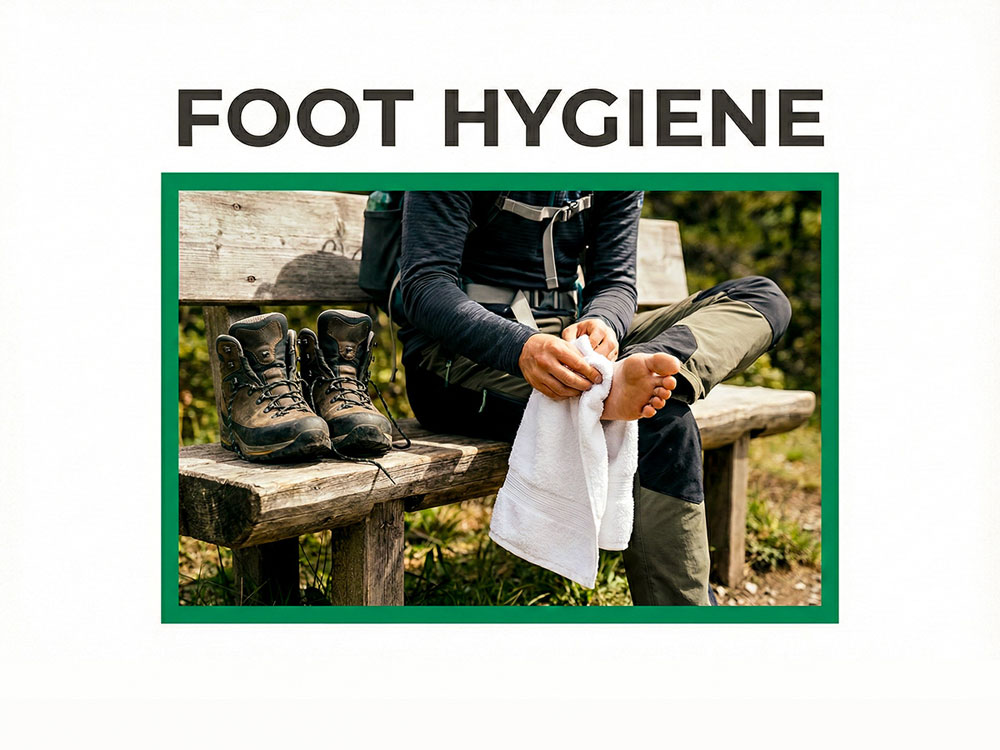
- The between-toe ritual: 60% of infections start between the fourth and fifth toes. When washing your feet at camp, use a mild soap and,
crucially, dry between each toe with a dedicated travel towel.[7] Moisture control is the single most effective non-drug preventative measure.[8]
- Antifungal powders: If you suffer from hyperhidrosis (excessive sweating), applying a prophylactic
antifungal powder to your socks can create a chemical barrier.[9]
Already itching? How to treat athlete's foot
If you already have symptoms, such as scaling, redness, or a 'cheesy' odour, you need a two-pronged approach: home care and medication.
Over-the-counter (OTC) treatments
There are three main classes of antifungal medications available at UK pharmacies:
- Terbinafine (e.g., Lamisil): Generally considered the 'gold standard'. It is fungicidal, meaning it kills the fungus rather than
merely inhibiting its growth. It often requires a shorter treatment course.[12]
- Clotrimazole/Miconazole (e.g., Canesten): These are fungistatic and require consistent application for 2-4 weeks, even after the rash
disappears, to ensure the spores are killed.[15]
- Antifungal sprays: Best for spraying your feet. Some of these anti-fungal sprays can also be used to spray inside your socks or boots
to prevent reinfection.[11]
Home care and 'trail fixes'
- Salt-water soaks: While not a cure, soaking feet in a saline solution can help dry out
blisters
and ease inflammation.
- Tea tree oil: Some studies suggest that a 25-50%
tea tree oil solution can be as effective as some OTC creams for symptomatic relief, though it may not kill the fungus as reliably.[14]
The 'hidden' danger: Communal areas
If your hiking trip involves staying in hostels or bunkhouses, or using campsite showers, you are in the 'red zone'.
- Never walk barefoot: Communal wet areas are the primary site for contracting Tinea pedis. Always wear
flip-flops or
Crocs in the shower.[10]
- Don't share gear: Fungal spores are highly resilient and can be transferred via shared towels or even borrowed nail clippers.[13]
Elevating your post-hike recovery and gear care
Maintaining fungal-free feet is only one part of a comprehensive foot health strategy. To ensure your feet are ready for the next expedition,
you should focus on active recovery and advanced gear maintenance.
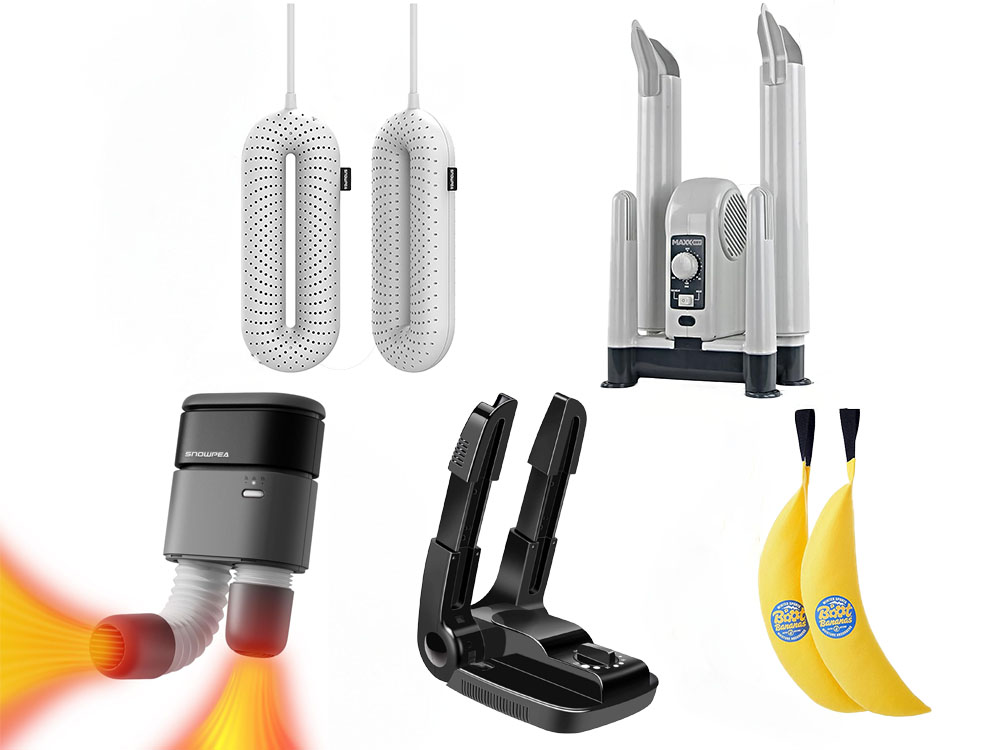
For instance, while manual drying is essential, using dedicated technology can ensure your boots are moisture-free, right down to the toe box.
Investing in one of the
best boot dryers
is a game-changer for wet or damp shoes and boots, as these devices use controlled thermal airflow to eliminate the damp environments where
Tinea pedis thrives.
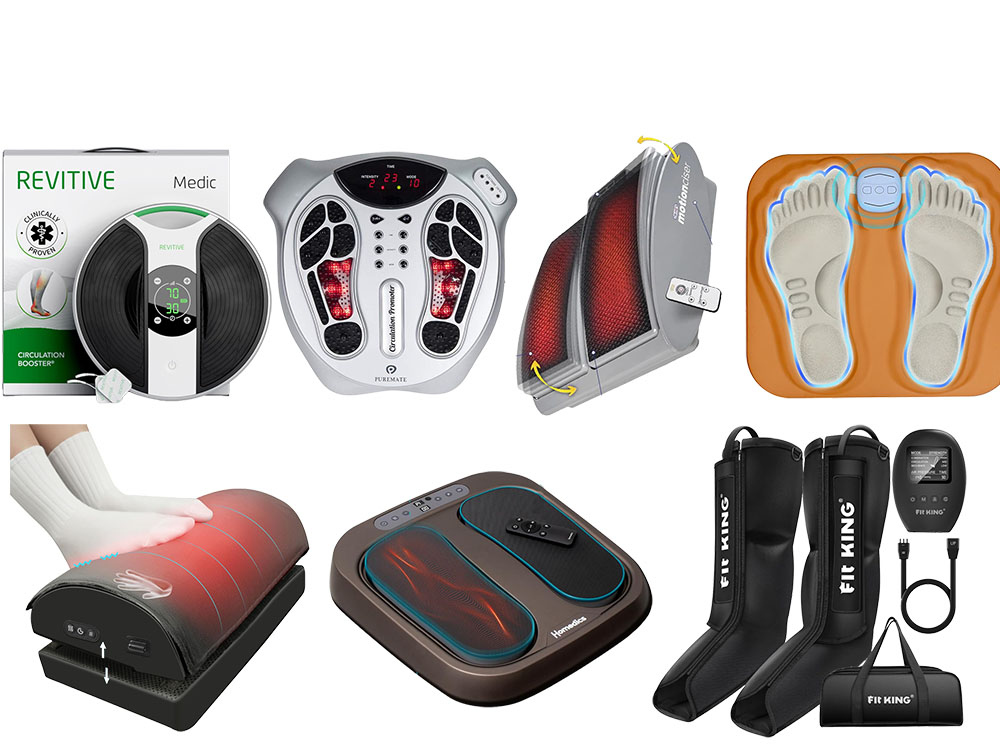
Furthermore, long days on the trail can lead to poor peripheral circulation and plantar fatigue, which weaken the skin's natural resilience.
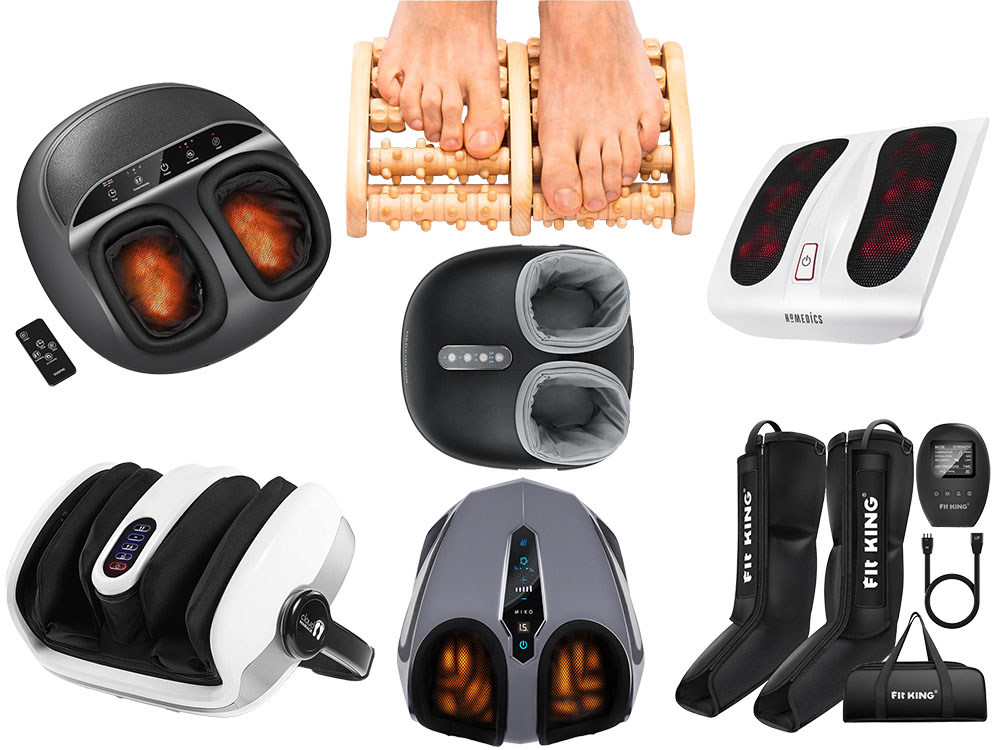
Incorporating recovery tools into your routine can help repair tissue and improve blood flow. Many hikers find relief by using the
best circulation devices
to reduce swelling after a long descent, or by treating tired arches with one of the
best foot massagers.
By combining strict antifungal hygiene with advanced recovery techniques, you ensure your feet remain as resilient as the trails you walk.
Smart storage: Between adventures
Even after your boots are clean and dry, how you store them between hikes is crucial. Tossing them into a dark closet or, worse, a plastic bag,
can create the perfect, stagnant environment for any remaining dormant spores to reactivate.
- Ventilation is key: Always store your boots in a well-ventilated area with good air circulation. An open
shoe rack in a hallway or porch is ideal.
- Avoid heat sources: Never store leather boots next to a radiator or fireplace, as direct heat can crack the leather and damage
waterproof membranes.
- Loosen laces: Pull the tongues forward and loosen the laces before storage to maximise airflow to the deepest part of the boot or shoe.
The hiker's foot care checklist
Before the hike:
During the hike:
- Change socks halfway through the day if your feet feel damp.
- Air feet out during lunch breaks.
- Wash and thoroughly dry between your toes every evening.
After the hike (if symptoms are present):
- Apply antifungal cream (e.g., Terbinafine) for the full recommended duration.
- Disinfect
hiking boots
with an antifungal spray or UV dryer.
- If care guidelines allow, wash your hiking socks on a hot cycle (60°C) to kill remaining spores.
- Use flip-flops in all communal shower areas.
Final thoughts: Keep your feet trail-ready
Athlete's foot is an occupational hazard for hikers, but it doesn't have to be inevitable. As we've explored, the secret to healthy feet lies
in effective moisture management and vigilance. By investing in the right Merino wool or synthetic socks, allowing your boots to dry thoroughly
between treks, and maintaining strict hygiene in communal showers, you can protect your most vital assets from fungal infection.
If you notice the tell-tale itch or scaling, don't ignore it. Acting quickly with a terbinafine-based cream and disinfecting your gear will
help prevent minor irritation from becoming a trek-ending injury. Your feet carry you through every mile; treat them with the respect they
deserve so you can focus on the view, not the itch.
Happy fungus-free walking!
Frequently Asked Questions (FAQs) on the prevention and treatment of athlete's foot
How long does it take to cure athlete's foot if I'm hiking every day?
If you use a fungicidal treatment such as terbinafine, you may experience symptom relief within one week. However, because hiking boots
provide an ideal damp environment for fungi to thrive, it is essential to continue treatment for the full recommended duration and to
disinfect your boots daily to prevent immediate reinfection.
Can I use tea tree oil instead of pharmaceutical creams?
While tea tree oil has shown some efficacy in soothing the itch and reducing scaling, studies suggest it requires very high concentrations
(25-50%) to be clinically effective against the fungus. For a reliable cure, clinical terbinafine or clotrimazole is the primary
recommendation.
Should I pop an athlete's foot blister while on the trail?
No, you should avoid popping blisters caused by a fungal infection. Popping them creates 'micro-fissures' that allow the fungus to spread
deeper into the skin, increasing the risk of a secondary bacterial infection. Instead, use a saline soak to help dry the skin naturally.
Will washing my hiking socks at 40°C kill fungal spores?
Generally, no. Research into textile hygiene suggests that a standard 40°C wash may not be sufficient to kill resilient fungal spores.
To ensure your gear is safe, wash socks at 60°C (if the manufacturer's washing instructions allow) or use a dedicated antifungal
laundry sanitiser to break the cycle of reinfection.
Are expensive Merino wool socks really better for prevention?
Yes. Unlike cotton, which absorbs and holds moisture against the skin, Merino wool and synthetic blends 'wick' sweat away. This keeps the
foot's surface dry, disrupting the moist environment that dermatophytes need to grow.
Is it acceptable to wear the same pair of hiking boots two days in a row?
Ideally, boots should be given 24-48 hours to dry completely. If you must wear them daily, using a
boot dryer
or an antifungal spray is essential to reduce the fungal load that builds up in damp footwear.
Why does my athlete's foot keep returning after my treks?
The most common reason for recurrence is failure to treat the 'source of reinfection', your boots. Fungal spores can survive for weeks in
footwear. If you treat your feet but don't disinfect your gear or wash your socks at a high temperature, you are likely re-exposing
yourself every time you lace up your boots or shoes.
What is the quickest way to stop the itching between my toes?
Drying the area thoroughly is the most immediate non-drug fix, as moisture exacerbates the itch. For pharmaceutical relief,
terbinafine-based creams are widely regarded as the gold standard for rapid results.
February 2026
Related reading:
Article: Why foot health matters more as you age: Mobility, balance, fall prevention and staying independent for life
Your feet support every step you take. As we age, subtle changes in foot strength, structure, circulation, and sensation can quietly ripple outward, affecting balance, confidence, walking speed, joint health, and long‑term independence.
Published January 2026
Want to 'go deeper'?
We take evidence seriously at Walks4all. If you'd like to better understand how walking studies are designed, how results
should be interpreted, and what scientific terms mean, explore our guides on the following:
References on the prevention and treatment of athlete's foot
- Hainer, B. L. (2003) - Dermatophyte Infections. What the study says: It confirms that athlete's foot is highly contagious and thrives in the warm, dark, moist environments found in athletic footwear. https://www.aafp.org/pubs/afp/issues/2003/0101/p101.html
- Noble, W. C. (1998) - The Skin Microflora and Microbial Skin Disease. What the study says: It establishes that occlusive footwear, like hiking boots, significantly alters skin flora and promotes fungal overgrowth. https://pubmed.ncbi.nlm.nih.gov/9531140/
- Vaitla, R., & Cho, S. (2023) - Tinea Pedis. What the study says: It highlights the importance of letting footwear dry for 24-48 hours to eliminate viable fungal spores. https://www.ncbi.nlm.nih.gov/books/NBK470421/
- Menz, H. B., et al. (2014) - Footwear and Skin Integrity. What the study says: It discusses how ill-fitting footwear causes mechanical trauma that allows fungal pathogens to penetrate the skin barrier. https://journals.sagepub.com/doi/10.1177/1071100714545610
- Laing, R. M., et al. (2002) - Impact of Sock Fiber Content. What the study says: It demonstrates that wool and synthetic blends are superior to cotton in managing moisture and reducing 'clamminess' in the shoe. https://onlinelibrary.wiley.com/doi/abs/10.1046/j.1365-2133.2002.04812.x
- Knapik, J. J., et al. (2011) - Sock Systems and Foot Injuries. What the study says: This clinical trial shows that frequent sock changes and moisture-wicking systems drastically reduce fungal and bacterial foot infections. https://academic.oup.com/milmed/article/176/11/1268/4345437
- Field, L. A., & Adams, B. B. (2008) - Tinea Pedis in Athletes. What the study says: It identifies the interdigital spaces as the primary reservoir for infection and emphasizes specific drying techniques. https://pubmed.ncbi.nlm.nih.gov/18429315/
- Crawford, F. (2004) - Athlete's Foot. What the study says: This is a systematic review concluding that keeping feet dry is the most effective non-pharmacological way to prevent recurrence. https://www.ncbi.nlm.nih.gov/pmc/articles/PMC2907801/
- Ghannoum, M., et al. (2019) - Antifungal Prophylaxis. What the study says: This is an evidence-based study on how antifungal powders can prevent infection in high-risk, high-moisture scenarios. https://www.mdpi.com/2309-608X/5/3/86
- Daggett, C., et al. (2015) - Barefoot Risks in Communal Areas. What the study says: It shows a direct link between walking barefoot in communal showers and the contraction of dermatophyte infections. https://www.cambridge.org/core/journals/epidemiology-and-infection/article/tinea-pedis-and-public-showers/
- Gupta, A. K., et al. (2008) - Interventions for Prevention. What the study says: It recommends treating footwear with antifungal sprays to prevent the cycle of reinfection during long-term treatment. https://journals.asm.org/doi/10.1128/cmr.00031-07
- Drake, L. A., et al. (1996) - Guidelines of care for superficial mycotic infections. What the study says: It details the efficacy of terbinafine as a primary, fast-acting treatment for tinea pedis. https://www.jaad.org/article/S0190-9622(96)90135-2/fulltext
- Ilkit, M., & Durdu, M. (2015) - Tinea Pedis: The Etiology and Management. What the study says: It discusses how shared textiles and lack of hygiene equipment management lead to persistent fungal outbreaks. https://www.sciencedirect.com/science/article/pii/S153912341400031X
- Satchell, A. C., et al. (2002) - Treatment of interdigital tinea pedis with tea tree oil. What the study says: This research shows that while tea tree oil helps symptoms, it requires high concentrations to be clinically effective against the fungus itself. https://pubmed.ncbi.nlm.nih.gov/12121393/
- Rotta, I., et al. (2013) - Efficacy of Topical Antifungals. What the study says: This is a meta-analysis showing that azoles like Clotrimazole are effective but require much longer treatment periods than allylamines. https://pubmed.ncbi.nlm.nih.gov/23769141/